


Building Your Capacity for Match Support: Chapter 2
GETTING MATCHES OFF TO A GOOD START

Introduction: In the first few weeks of a new mentoring relationship, program staff members can help reduce the risk of possible long-term challenges by clarifying expectations, as well as helping the mentor and mentee set goals and boundaries for the relationship.
Key terms and concepts we’ll explore in this chapter:
- Communicating program expectations
- Accountability forms
- Goal setting
- Match-support activity timeline
-
Support Activities During the First Month  Once a match has been initiated, program staff members should help with several essential communication and relationship-building activities:
- Describing program expectations in a formal welcome letter
- Helping the mentor and mentee get to know each other through relationship-building activities
- Having the mentor and mentee make accountability agreements and set boundaries using an accountability form
- Helping the mentor and mentee set measurable goals for the relationship
-
Sending a Welcome Letter Within one week of match initiation, mentors, mentees and mentees’ parents/guardians should receive a welcome letter (or email) to formally reiterate program expectations and activities.
Suggested practice: Create targeted welcome letter templates for mentors and mentees. Programs working with minors should also create a welcome letter template for parents/guardians.
Welcome Email for Mentors What to include:
- Describe program expectations specific to mentors (such as meeting times and frequency, as well as virtual platforms to use)
- Introduce any key staff members who can support mentors
- Highlight when any check-ins might occur
- Attach a calendar of events
View a sample mentor welcome email Welcome Email for Mentees What to include:
- Reiterate any program expectations specific to mentees
- Introduce key staff members whom mentees might not know
- Highlight events and the commitment for mentees
- Remember: This might be the first time they are stepping out of their comfort zone and connecting with an adult outside of their known circle
View a sample mentee welcome email Welcome Email for Parents/Guardians What to include:
- Describe program expectations for mentees and parents/guardians
- Introduce key staff members who might be interacting with their child
- Highlight any important events they and/or their child might need to attend
View a sample parent/guardian welcome email -
Determining the Program Calendar  At the start of a mentoring relationship, both mentors and mentees (and parents/guardians, if applicable) should have a clear understanding of the various times they are expected to attend training and group events, as well as communicate with program staff members. Determining the date and format of these activities as early as possible will help ensure mentors and mentees can participate.
Suggested practice: Gather input from mentors about their availability during the application phase. View a sample mentor application that includes questions to poll mentors on their availability.
Resources to help with scheduling and project planning
Coordinating schedules between multiple volunteers and program staff can be difficult to manage. Consider using the following free tools to help with calendar management:
- Calendly (Good for setting one to one meetings)
- Doodle Poll (Good for polling a group on best dates to meet)
- Trello (Good for project planning and team collaboration)
-
Helping Mentors and Mentees Get to Know Each Other 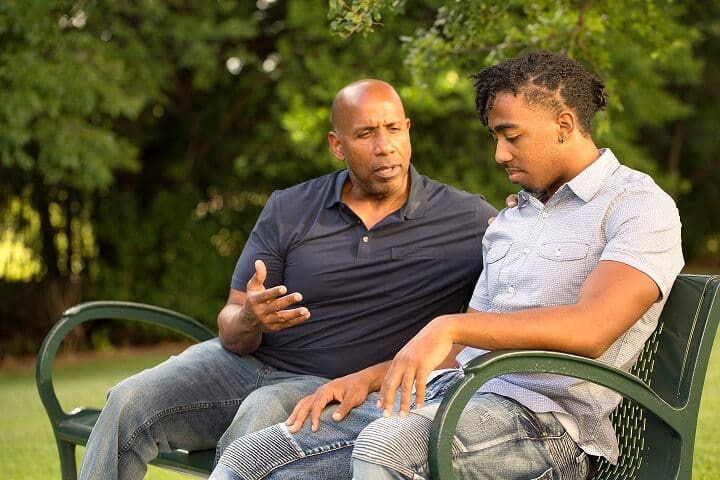 In the first few weeks, program coordinators should encourage mentors and mentees to learn about each other. Like all relationships, it takes time to develop trust. Some mentees may be more willing to open up and share their personal history, hopes, and dreams, but others may need a bit more time. Although your program may have specific goals for matches, the priority for the first few weeks is for mentors and mentees to get to know each other and build trust.
The following resources and activities can help mentors and mentees connect at the start of their relationship:
- “I Am” Poem
- “I Am From” Poem
- 115 Conversation Starters
- 10 Ways to Connect
- 5 Five Ways Mentors and Mentees Can Bring Out the Best in Each Other
- 100 Questions to Ask your Mentor and Mentee
- 5 Stages of Mentor-Mentee Relationship Development
- How to Catch and Keep a Quality Mentor
- How to Build a Great Relationship with a Mentor
-
Setting Boundaries Using an Accountability Form For program coordinators, monitoring connectivity in the first few weeks can be both time-consuming and difficult to manage. To help reinforce expectations and set boundaries, consider creating an accountability form for mentors and mentees to complete within the first two weeks of being paired. This form should invite the mentor and mentee to articulate the goals of the match and outline how they plan to interact with each other.
Suggested practice: Create and share an accountability form for mentors and mentees to fill out together during the first few weeks of their relationship.
-
Setting Goals With Mentees  Once the mentor and mentee have spent some time getting to know each other, an important next step is to identify measurable, age-appropriate goals for the mentee. Goal setting helps matches create accountability between one another.
Goal setting might be a new concept for a mentee, so before inviting mentors to discuss goals with mentees, program staff members may want to lead a goal-setting workshop to orient mentees to this process. It is suggested that program coordinators deliver optional workshops to help mentees think about their goals before working with a mentor.
Take a moment to review a Sample Goal Setting Workshop Overview
Read more about mentee goal setting:
- “Strategies for Setting and Working on Mentee Goals”
- “Youth Goal Setting” (Community Toolbox)
- “Ongoing Training for Mentors: Goal Setting With Your Mentee” (Pages 47–56)
Review sample goal-setting templates:- “Example: Completed Action Plan Form — Goal Setting” (Community Toolbox)
- “Goal Setting Worksheet” (adapted from a resource used in Argonne National Laboratory’s mentoring program)
-
Creating a Match-Support Activity Timeline  During the first few months of a youth-mentoring relationship, there are a lot of match-support activities to coordinate. Documenting all the specific support activities and points of contact in the early months can help program staff members stay organized.
Suggested practice: Create a detailed match-support timeline that documents when important activities should take place in the early stages of the mentoring relationship.
-
Additional Resources