
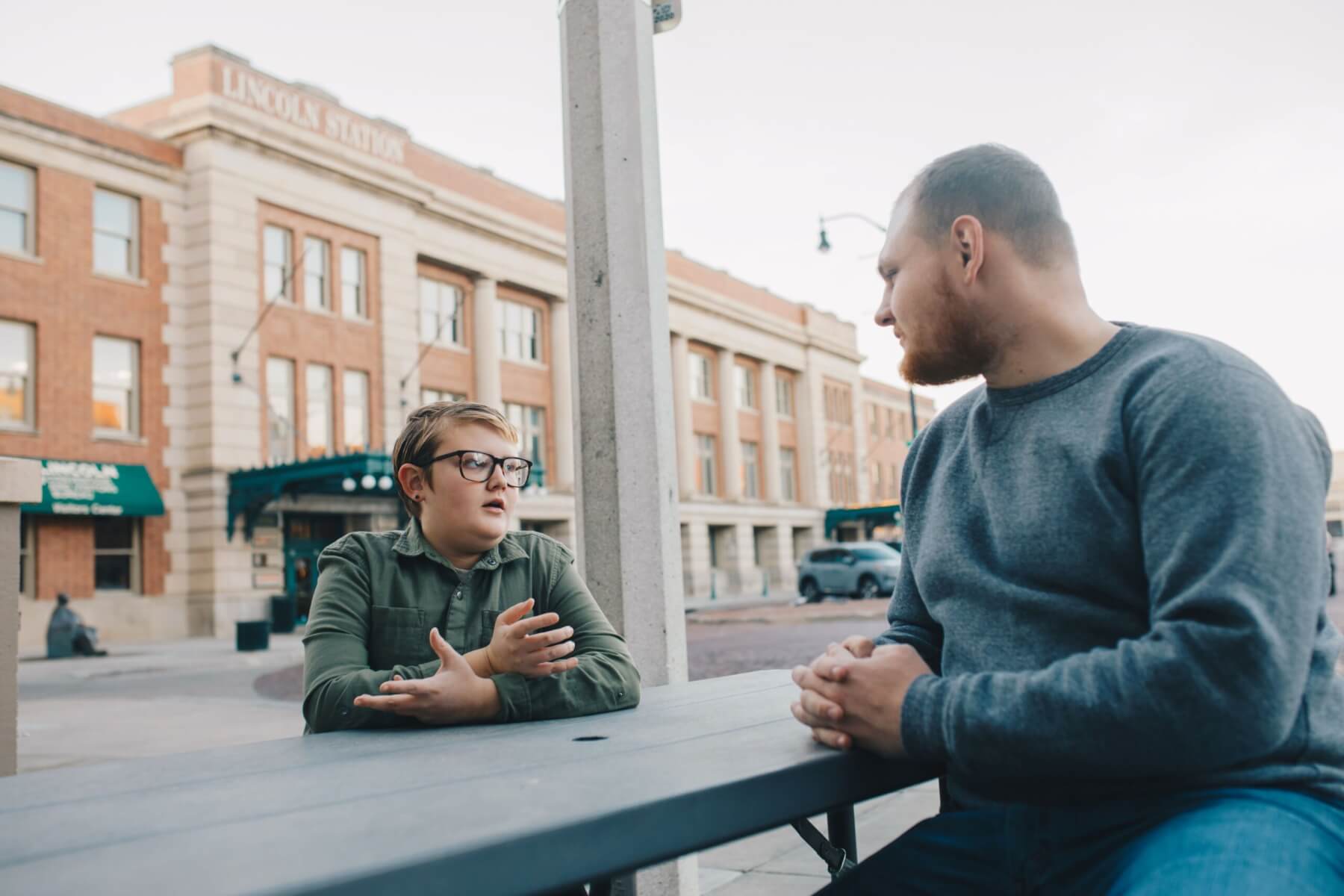

Youth Development in Action: MENTOR National, The Dream.US, and LinkedIn Team Up for an Afternoon of Informal Coaching
October 21, 2020
Everyone has potential, but systemic forms of oppression keep opportunity from being equitably divided. Companies across the country, motivated by broader conversations about racial justice, are looking for ways to attract and retain diverse talent. Developing a mentoring culture is a part of the solution. MENTOR National’s Workforce Development Director, Charline Alexandre-Joseph, explains, “To create a more diverse and equitable workforce, companies need to commit to the development of opportunity youth.” In doing so, employers expose youth to skills-building opportunities, relationships, and new perspectives needed to thrive in today’s workforce.
Recently, we teamed up with The Dream.US, the nation’s largest college access and success program for DREAMers, and LinkedIn, a long-time partner of MENTOR, to host a professional coaching event. This event was a part of LinkedIn’s LEADing Change Summit and our organization’s continued efforts to expand access to quality mentoring for all young people. During the event, over 30 young professionals were divided into groups and matched with experienced professionals for two 20-minute sessions to share career goals, questions, and advice. The volunteers represented over 15 companies, including the University of California, General Motors, L Brands, and Russell Tobin. The scholars’ professional interests were diverse and included graphic design, computer science, manufacturing, higher education, and healthcare. Professional coaching is an example of how companies can utilize informal mentorship to empower emerging talent, and the volunteers receive benefits as well.
As a volunteer coach shared during the event, “I don’t do this just because it’s the right thing to do or because it’s good for recruitment. I get a ton out of reverse mentorship relationships. [After meeting with today’s group of scholars], I feel like I have my new slate of personal board members.”
The lessons didn’t stop there. Here are a few more shared from volunteers and scholars.
When Networking, Be Strategic
MENTOR’s Senior Director of External Affairs and the facilitator of the afternoon, Matt Meyersohn, contextualized the importance of our virtual gathering, “A major driver of healthy development is whom you know and who’s in your corner.” While there is no one equation for successful networking, young professionals can be consistent and considerate of folks both within and outside of their immediate circles. Eunice, one of The Dream.US’s Scholars, expressed appreciation for having time to share opportunities even with people who may not necessarily like the same things you do.
As the conversation continued, a volunteer coach encouraged folks to think of their network as the people they know in addition to LinkedIn connections. “Look at your social contacts (i.e., Instagram and Twitter) and migrate them over to LinkedIn. Build your network now and with intention every single day.”
Scholar Mario closed out this discussion by encouraging everyone to leverage their current networks by asking them to introduce potential new connections.
Become Acquainted with Your Power
When it comes to interviewing, negotiating a starting salary, or judging job or internship offers, the encounters can be tricky to navigate. There are many “unspoken rules” that contribute to the difficulty young professionals experience in these situations, which is another reason it’s impactful to have experienced professionals share their learnings.
After getting advice from a volunteer about managing multiple internships offers at once, scholar Estefany said, “As a student, you never think you have leverage as an interviewee. But now I know I do.”
How people leverage their power varies from person to person. It can be countering an internship offer, like Estefany, or honing public speaking and interview skills like scholar Danny V., who shared “Mock interviews can chase nervousness away.”
Define and Declare Yourself
A significant part of creating office cultures of belonging is creating space for everyone to be their most authentic selves. Throughout the event, conversations about what authenticity looks like sparked organically.
One of the volunteer coaches is also a poet and they list their literary pursuits on their LinkedIn profile as one of their job titles. This approach has been helpful in sparking conversation with new connections. This coach’s advice for opportunity youth looking to stand out from the crowd is, “If you have something (e.g., hobby, color, or font) that catches the recruiter’s eye, it’s worth that minor investment.”
Another volunteer coach continues this argument by explaining the importance of customizing one’s cover letter and “sharing why your beliefs and values match the company’s and their vision for growing the organization in the future…Take time to leverage the information about the organization that’s out there.”
Being authentic is also knowing what you have to offer. For scholar Perla that means naming one’s values and transferable skills in addition to learning about a specific company. “At career fairs,” Perla shared, “usually, the whole conversation revolves around the company and asking questions about working there. But here I loved that we met with recruiters who gave us ideas about how to stand out and talked about authenticity and marketing your values. I enjoy how this form of networking is familiarizing us with companies we may want to work at but also giving us transferable skills that will help us throughout our careers.”
As the event closed out, attendees shared their contact information to further the conversations that started that afternoon. At MENTOR, we have several resources to help folks interested in workplace mentoring. Of course, for more hands-on support, employers can reach out to Charline Alexandre-Joseph at cajoseph@mentoring.org. We are excited to have been able to partner with LinkedIn and The Dream.US to bring this coaching opportunity to life.