

Summit Presenter Profile: Dashamir Pettway
January 17, 2024
From January 24-26, 2024, the National Mentoring Summit will convene mentoring practitioners, researchers, philanthropic investors, youth leaders, government and civic leaders, and Affiliates from across the country to unite under the shared goal of driving positive change for young people.
In the months leading up to the Summit, we’ve been introducing you to some of the presenters who will be sharing their insights and expertise in dynamic, informative workshop sessions. To learn more or register for the Summit, click here!
Name: Dashamir Pettway
Organization: Youth Collaboratory
Session: Youth Engagement: Implementing Choice and Voice With Black Girls Impacted by Commercial Sexual Exploitation of Children
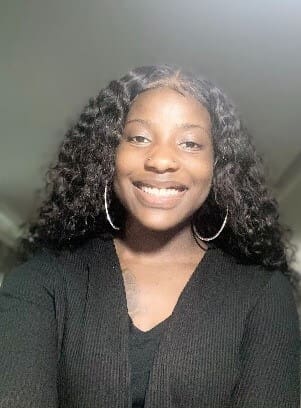
Dashamir Pettway (she/her) was born and raised in Detroit, Michigan. Dashamir implements her passion and resilience from her lived experience to her work. Dashamir was a former National Youth consultant, a Youth Catalyst Team member, and is now a Training and Capacity Building Manager with Youth Collaboratory. She has expertise in foster care, youth homelessness, the Commercial Sexual Exploitation of Children, mentoring youth impacted by trafficking, and youth leadership program design and implementation. Dashamir has been involved with many local advocacy programs, including a Youth Advisory Board, where she supported other young leaders and advocated for change in the youth homelessness system. Through her work with Youth Collaboratory, Dashamir has worked to advocate and promote policy change and has conducted significant advocacy work at the national level, providing in-person and virtual training, resources, and technical assistance to organizations both locally and nationally to assist them in establishing authentic relationships with young people and preventing and addressing sexual exploitation of youth and young adults, and Black girls.
Could you introduce yourself and talk a little bit about your work?
My name is Dashamir Pettway and I was born and raised in Detroit, Michigan. I’m a part-time college student right now, and I’m also the mother of a four-year-old and a six-year-old.
I started off working as a national youth consultant around the age of 19. I had started doing consulting work when I was 17, but that was more so with an organization than on a national scale. I then went from being a national consultant to a technical assistance (TA) associate, and now I am the Training and Capacity Building Manager at the Youth Collaboratory.
I have personal expertise and experiences with foster care, youth homelessness, and trafficking and commercial sexual exploitation of children. I’ve also been involved in many advocacy programs, including a youth advisory board where I supported other young leaders and advocated for change within the youth homeless system. I have done a whole host of advocacy work with organizations both locally and nationally to assist them with authentic youth relationships and with addressing and preventing the exploitation of youth, specifically with a focus on Black girls.
Did something specific draw you to this work?
My personal experiences. I am a survivor myself and have also been in systems like mentoring programs and youth homeless shelters; I was even locked up for a time. Seeing the gaps that existed within the system pushed me to want to do the work.
The Summit workshop you’ll be presenting is related to your own experiences. Could you talk about your session and how you selected the topic?
The session’s full title is “Youth Engagement: Implementing Choice and Voice With Black Girls Impacted by Commercial Sexual Exploitation of Children or At Risk of Being Affected by Commercial Sexual Exploitation.” I will be presenting with my two other amazing Girls Action Board youth leaders, Michaela and Keona. We really wanted to focus on the unique needs of Black girls who have been disproportionately affected by this issue, and we also wanted to provide resources and strategies to help organizations develop an environment where Black girls have a choice in their healing and create a safe space for them to share their voices.
We felt our session was a good fit for the Summit because some of the biggest challenges for Black girls, especially when they’ve been trafficked, is the lack of representation and understanding of those experiences within some existing mentoring programs. I certainly experienced that myself. When developing this session, we wanted to discuss choice and voice and how to give these young women a level of agency.
Let’s be honest: many programs really aren’t equipped to address intersectional issues like race, gender, and trauma that Black girls face. That unfortunately leads to a gap in support and resources that are available to Black girls. Michaela, Keona, and I have all seen firsthand that this hinders these young women’s ability to heal and thrive within these organizations. We’ve also seen that mentoring programs sometimes don’t have strong cultural or societal understanding, and their programs do not reflect the cultural and societal factors that contribute to the exploitation of Black girls. And so these programs are not addressing systematic issues of racism, poverty, and social inequity that make Black girls more vulnerable to sex trafficking. Not addressing the root issues ultimately causes challenges for survivors and retraumatizes them. For example, many survivors have complex traumas or symptoms of PTSD, depression, or anxiety that requires specialized and culturally sensitive treatment; however, many mentoring programs don’t have access to therapists and counselors who really understand those unique experiences.
Finally, many economic empowerment and educational opportunities for Black girls focus on short-term goals like housing and secure employment, which is great in theory, but these programs don’t consider the long-term impact of the trauma these girls have experienced. They don’t understand how the aftermath of the trauma affects survivors’ ability to achieve that financial independence and educational success. So then there are gaps in services that can lead survivors again to feel vulnerable and ultimately to be re-exploited. Programs need to consider their role in creating economic and educational pathways that help survivors achieve long-term stability and success.
Most importantly, in order to address all these gaps, it’s crucial for programs working with Black girls to center their voices and experiences in the development of support services. This includes training of mentors and advocates to really understand the unique needs of Black girls as well as providing culturally responsive mental health services and the holistic support to really address and support their trauma.
I think our session will help people think about all of these factors and hopefully will give them some ideas for how their programs can better serve young people who have endured trauma, especially young Black women.
Have you attended the National Mentoring Summit before? If so, what made you want to return?
This will be my fourth Summit; I also attended in 2019, 2020, and 2023. I’m always so excited when I get the email about it, and whether I’m just there as an attendee or presenting a workshop it’s always an honor to be in this space.
The first time I attended, I was just 19 years old. It was my first time presenting to a large audience like that, and it was life-changing for me as a young advocate just starting my national work. I felt like I was in a space where my voice was valued in a way it wasn’t in many other spaces. It pushed me to want to continue to utilize my voice. I’ve been grateful for the opportunity ever since then. It’s had a really big impact on my career, and every time I see other youth there or think about the youth who come after me, I get excited.
I think the biggest takeaways were the connections I made. At one Summit social event, I met two wonderful and powerful Black women, Joy and Lenore. We found ourselves talking about the event and then discussing some trends we were noticing. And then we started talking about preventing and addressing commercial sexual exploitation of youth and how we’d seen so many gaps in services they receive. And we found ourselves posing the questions, “Well, what about Black girls and how they’re disproportionately affected by trafficking? Where are the services for them?” Black girls are more likely to be trafficked than any other girls in their same age bracket, and yet they are not as likely to get the services and support from law enforcement and other systems theoretically put in place to protect us. We started talking about how we need to do more to protect our Black girls and how there’s not enough research on how to do that. So we planted the initial seed at the National Mentoring Summit, and believe it or not, a couple years later we all ended up working for the same organization. We were in different parts of the country – I’m in Michigan, Joyce is in California, and Lenore is in Las Vegas – but we ended up applying for a grant around preventing and addressing trafficking of Black girls. We got the grant and have been doing the work ever since.
I’m forever grateful for these women. All that work happened because we planted that seed at the Summit. And when I saw one of the mainstage plenaries this year was focused on mentoring Black and Brown girls, I was so excited.
Do you feel there are ways the mentoring field as a whole could or should better serve Black girls?
Absolutely.
I’ll start by saying that so many people in the mentoring field have done important work providing resources for young people and providing guidance, support, and courage as we navigate our way through adolescence and adulthood. However, when thinking about the mentoring field as a whole, I feel like it has often failed to actually serve Black girls, and there are a lot of ways the field could approve its approach.
First, the mentoring field needs to recognize and address the unique challenges and barriers that Black girls face, like systemic racism and discrimination and higher rates of poverty and violence. Black girls often have this range of obstacles that can impact their well-being and success. Mentors can and should be equipped to understand and support these challenges and to provide tools and resources to help Black girls overcome them. I also feel programs need to implement more training and education for mentors, including training with a bigger focus on cultural humility and awareness.
Second, mentors should prioritize the promotion of positive identity development and self-esteem with Black girls. Racial and gender identity are always important and impact young people’s well-being, and I feel mentors can play a crucial role in helping Black girls develop like a strong sense of self and taking pride in our heritage. To that end, I think that the mentoring field should work to connect Black girls with mentors who share the same racial and gender identities as them. That was big for me. In my experience, I was coming from a place where I walked into a lot of spaces and felt like no one looked like me or could relate to me. I think it’s important to be intentional about matching Black girls with mentors who can understand and relate to their experiences.
I also think the mentoring field should provide ongoing support and resources for Black girls as they transition into adulthood. This may involve creating mentorship programs that operate beyond the traditional age limits of many programs so there are opportunities for continued guidance and support as Black girls and women navigate their careers, educations, and even things like personal relationships.
Overall, I believe that if the mentoring field prioritized this renewed focus on inclusivity and cultural awareness, it could be potentially could be impactful to Black girls in a transformative way.
Do you have advice for anyone attending or presenting at Summit for the first time?
I would encourage people to go to workshops that are led by youth and those that focus on racial diversity and on individuals that are disproportionately impacted by systemic issues. I feel like a lot of the times we go to workshops that we are comfortable with, but attending workshops outside your comfort zone can be very eye-opening and a great way to develop a more diverse perspective. I think these sessions have the potential to open up individuals’ or even organizations’ eyes to problematic things they may not even realize they’ve been doing. We need to have uncomfortable conversations to move this work forward, and attending workshops like this can facilitate that.
I’d also say: “Connect, connect, connect, connect!” I get emotional every time I think about the connections I made with Joyce and Lenore and the work that came from that. So I’d tell someone, “Take advantage of the connections you build and the peers you meet.” I’d advise young people to use the adults in these events – take advantage of their expertise and opportunities to network with them.
And finally, take time to rest and breathe! If that means taking a short break to take a nap or watch an episode of a favorite TV show, do that. Taking time for self-care will make you more equipped to get as much as you can out of Summit.
Is there anything else you’d like to share?
I think it’s really important for organizations to find funding for youth to attend these events, whether they’re young people in leadership roles within the organization or just one passionate young person they work with. We are bringing some first-time attendees this year who have never been in a space like this, and I’m excited for the opportunities this could bring them and the connections they’ll make.
Most of the time, the young people are the ones attendees want to hear from more than the adults in the organization. They bring a fresh perspective and new ideas that can really move the work forward. It makes a huge difference.
Hear from Dasha and more than 175 other session presenters at the National Mentoring Summit in Washington, D.C. in January. Register today!