
Relationship-Centered Schools Organization Spotlight: Citizen Schools
October 19, 2021
For over 25 years, Citizen Schools has been a pioneer in educational equity. They have provided hands-on learning experiences that ignite curiosity, build confidence, and expand horizons for over 50,000 middle school students in underrepresented communities. Together with their partners, including 25,000 career mentors, they have exposed students to new ideas and connections.
We asked Citizen Schools’ Interim CEO, Elisha Muskat, and Vice President of Programs, Nadia Selby, to share their thoughts around why students need healthy and transformative relationships with adults and how Citizen Schools has brought meaningful connections to students through their innovative programming.
Tell us about Citizen Schools and what makes you unique as an organization or model?
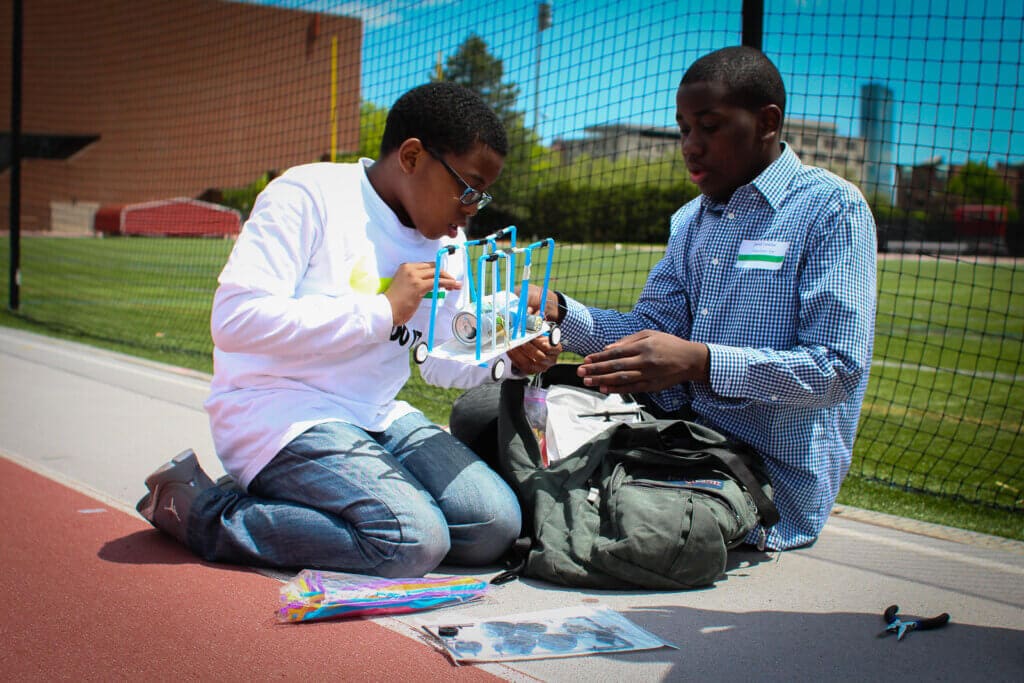
Elisha: What’s been true about Citizen Schools over our 26 years, and continues to be true, is the focus of our model: Our model centers on hands-on learning with diverse career mentors. We call our volunteers career mentors because they model pathways in STEAM (and other) fields, and students to be producers, invite them into their workplaces, and support through continued relationships. Students become “producers” through Catalyst projects, maker-centered learning, and apprenticeships. Another thread through all of our work is that experiential, hands-on learning leads to deeper student engagement, builds social emotional learning and fosters collaborative problem solving.
The name Citizen Schools came from the idea of inviting “citizens” (which we know has many complex connotations), or essentially community members, to connect directly with students in schools both during and after school. Through early and continued relationships with mentors, students are able to see themselves in their mentors, see their futures as very tangible, and build a familiarity with some of the same environments where they eventually might work in the future.
Nadia: What makes Citizen Schools unique are the opportunities our students receive from their career mentors — those folks from the community who come into their classrooms. Also, the questions we ask ourselves to make sure we’re effective — how do we make it meaningful for students when introducing them to career professionals? How do we not have it just be a “show and tell” experience? How do we make sure it’s grounded in something tangible where students can actually see themselves applying their work now to future careers? That’s our magic sauce — the ways we bridge gaps for our students, our educators, and afterschool providers.
Why is intentionally focusing on building relationships with students important especially in service of creating spaces of belonging?
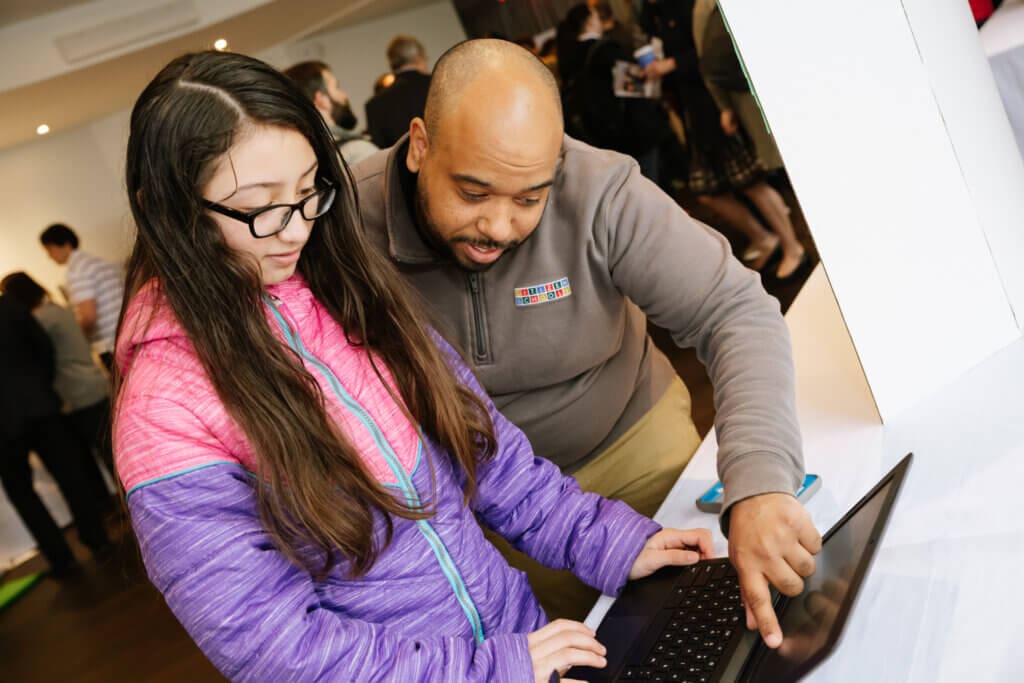
Nadia: Any time I get asked this question I often relate it to my personal experience, because that’s part of why I continue to do this work in general and why I think this is so important. Thinking back to my younger, middle school self, school was very different from what I’m trying to do right now and the work we are trying to do with Citizen Schools. It was very lecture-based. It was tell and do. It didn’t necessarily connect to me as an individual. It didn’t excite me. It just felt like something I had to do to get to the next level. It didn’t paint a picture to me about why this would be important in any career. When we think about the importance of building relationships for students, we must also look at the relationships they have in middle school. I had my friends, but I had no adults that I would say cared about me in the school building, except for my music teacher (because music was something I was passionate about). If, during my own pathway, I can only pinpoint one positive relationship with an adult, that’s not necessarily a great experience. As an organization, Citizen Schools works to make sure this doesn’t happen. We create spaces where adults come into the classrooms — because this is where students spend most of their time — to build relationships with students. And then we create and develop individualized ways of interacting with them so they feel like they belong and are a part of the larger culture.
Elisha: There are so many stories in our history and in our present of students who were disengaged and then were able to create ongoing engagement through an initial spark or connection. Classroom teachers regularly share stories of students being disengaged in their classrooms, but finding a connection that sparks their interest. Maybe it’s content or a cool trick that somebody used to catch their eye, but that one spark opens them up. Catalyst Projects are a place we see that happen again and again. Students work through projects that they lead and develop with mentors/experts, then present on those projects at the end of a term. You see real magic come out of them, you see how relationships with mentors bring the content alive for students, drawing something out of them. You see them connect to feeling smart, feeling engaged, feeling seen, and feeling cared about. That’s so important.
Tell us about some of your success stories.
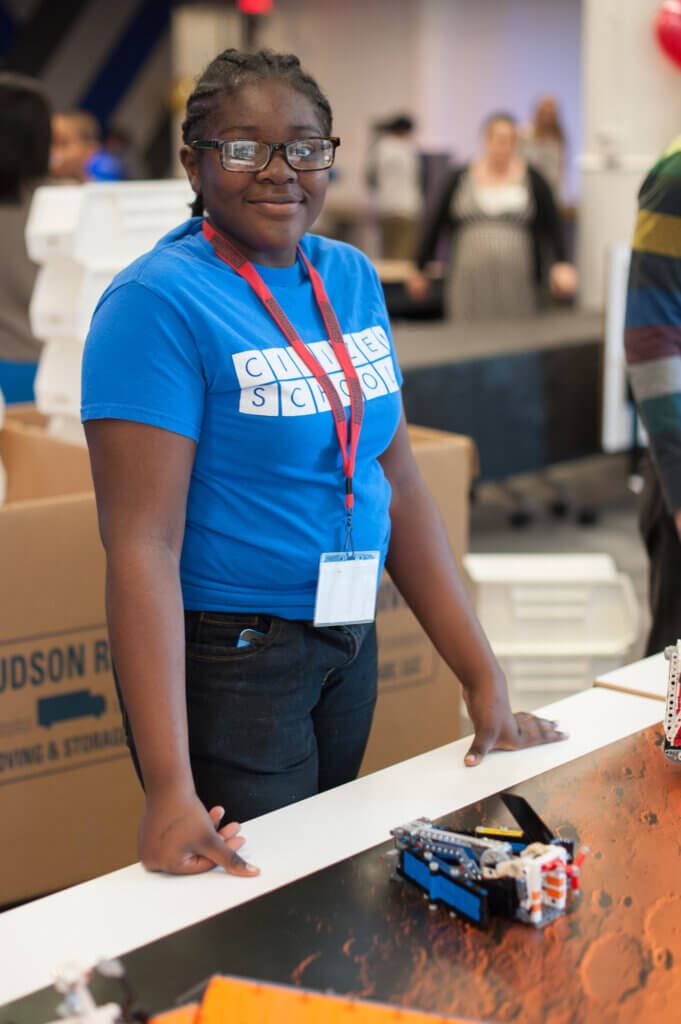
Nadia: When I talk about the magic that happens, one of the stories I tell is about a particular student who was with me in 7th grade. A core element of our expanded learning time program is our apprenticeships. During those apprenticeships, we have volunteers from the community, in this case I’m talking about a law firm, that partnered with us to develop a mock trial program. At first this student did not want to do it. They said, “What? Debate? I’m not interested in that.” But when they found out they were allowed to leave school and go to a law firm, they changed their mind. After that first experience, this student participated in every single mock trial program we had for her entire journey through Citizen Schools. Each student can participate in four apprenticeships throughout the year and this student chose the mock trial each session. The kicker is that she tried different law firms but by the time she got to 7th grade, she would only go with one law firm. Every time she finished, she got a letter of completion and she kept all of her letters. As she transitioned into high school, she continued to take debate classes and kept in contact with her mentor — the person who volunteered with her from the law firm. They continued to stay in contact. When it came time for college, he wrote her reference. He essentially grew with her over time.
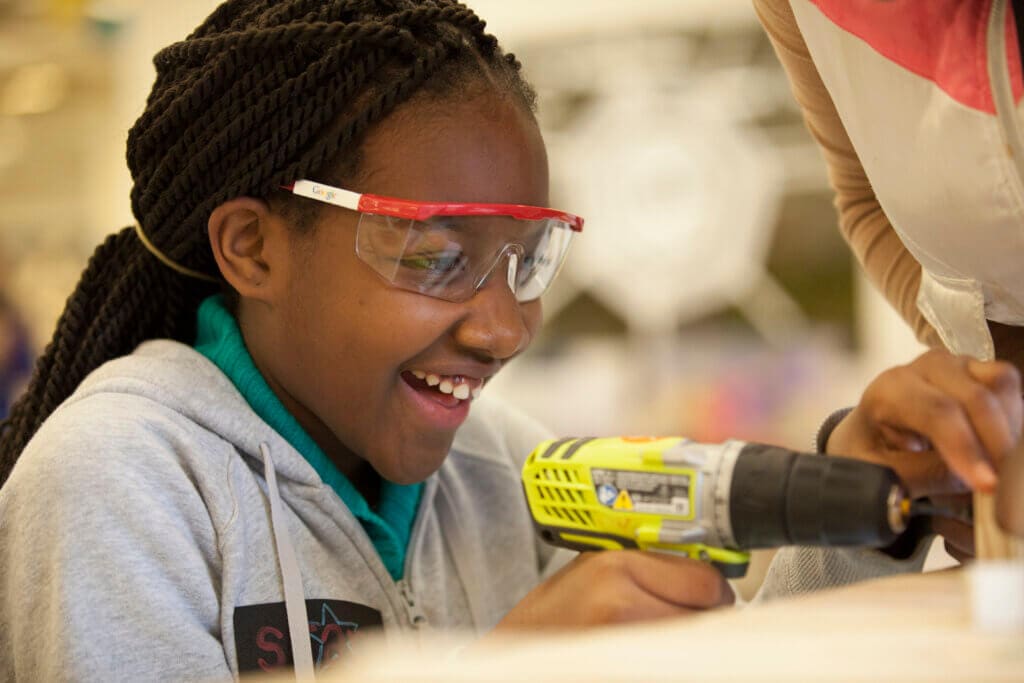
When I look back at our work and why it’s important, it’s because we are exposing students at such a pivotal time, middle school. Being able to provide our students with so many different layers of opportunities as they go through our programming allows them to see themselves in different careers. By the time they get to 8th grade, they realize they really like something. It might not be their career, but they know they like debating, for example, or writing argumentative pieces. They go into high school continuing to do some of that work, even if it’s not the same exact career as their mentor.
Here’s another story shared by a teacher in North Carolina that demonstrates how a Citizen Schools career mentor was able to get a student out of their shell, and there are many more.
What does the future hold for Citizen Schools?
Elisha: This is an important moment in education, where we have a choice to focus on learning loss or to challenge ourselves to do better than pre-pandemic. We are really excited to align ourselves in this moment with those who are rethinking education and rebuilding from the places of strengths, rather than deficits. How do we foster a sense of education, learning, and connection? How do we break down the racist and systemic policies and practices that are intentionally and unintentionally baked into the system? How do we create this moment of rebirth in education coming out of this really challenging time? That’s the work Citizen Schools is contributing to. When you create bridges with the community and inspire students with deeper hands-on engagement, it can be a powerful combination for our next generation of leaders.