

How Mentoring Helps Break the Cycle of Violence
August 23, 2022
In recent years, there has been a growing understanding of effective strategies to reduce violence in communities. Decades of underinvestment in programs and services proven to dismantle systemic oppression, combined with increasing police presence and “tough-on-crime” policies of previous decades have led to increased incarceration of BIPOC communities – in essence, contributing to the cycle of violence. Not wanting to return to the failed, harmful strategies of the past, advocacy organizations and local leaders across the country have determinedly worked to identify models and solutions that build healthy communities, strong rehabilitative services, and systems of collective impact in order to break the cycle of violence.
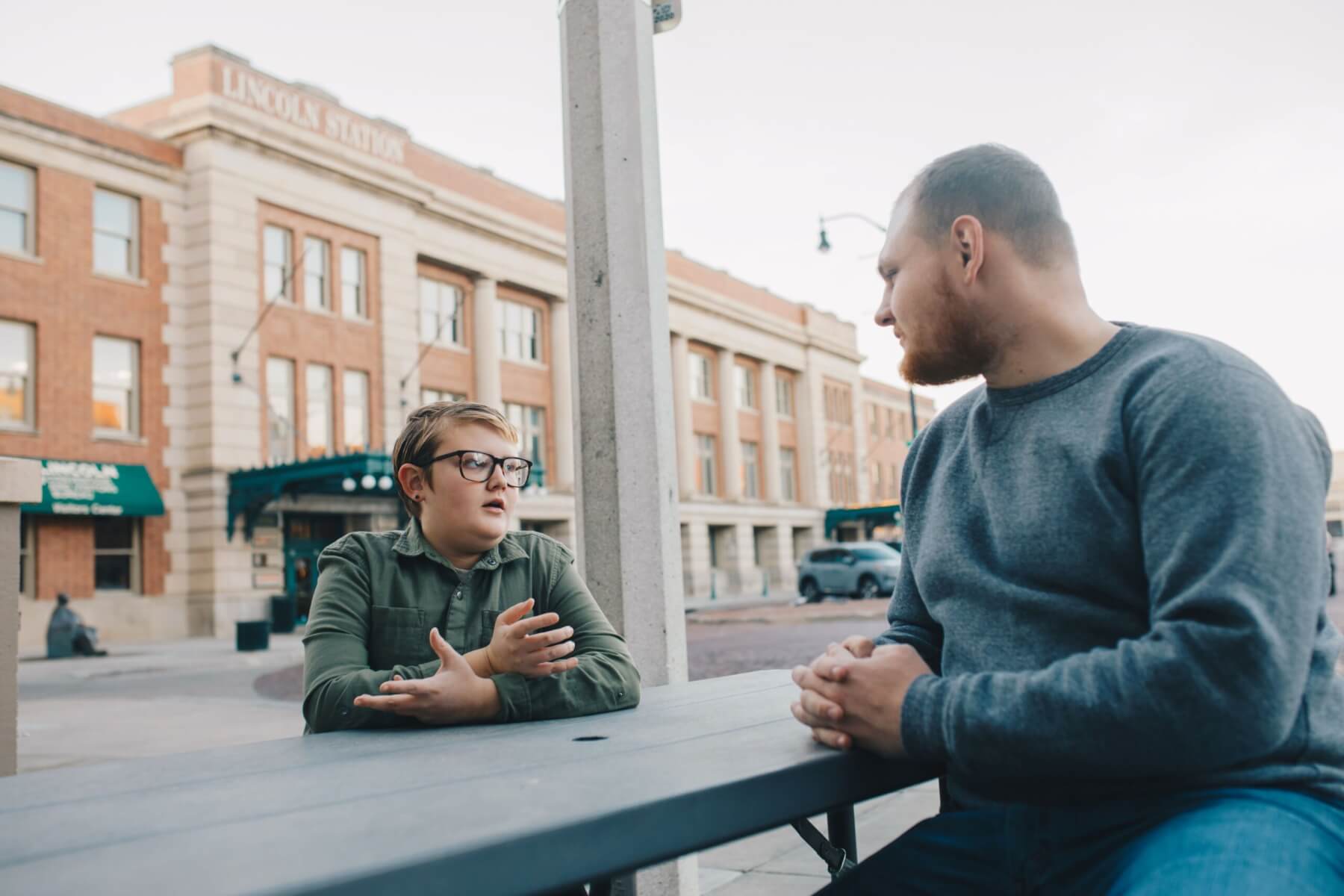
A key piece of this system is to expand the amount of caring adult mentors to support youth in communities with high levels of violent activity. Mentoring relationships should not be mistaken as a replacement for critical therapy and mental health services for those experiencing the effects of trauma. But positive, nurturing relationships offer myriad benefits for young people, from emotional to academic to personal. Mentors can be trained to identify the four common trauma responses, the guiding principles of trauma-informed care, and mental health “first aid.” And prominent criminologists have noted that mentoring programs may make excellent partners within multi-component crime and violence prevention initiatives, because their relationship-centric focus fits well within established evidence-based frameworks. Successful mentoring programs can work in tandem with other community services and institutions in the private and public sector to implement whole community approaches to prevent, address, and break the cycle of violence.
Curbing community violence requires a comprehensive approach and service coordination involving multiple entities, from the local government and nonprofits to foundations and the private sector. The logic is simple, and the research backs it up: the clearest indicators of violence come from when basic human needs are unmet. Unstable housing, stunted economic opportunities, poor education, lack of nutritious food and clean water or inaccessible healthcare services – and any combination thereof – create conditions from which violence often erupts. Mentoring does not solve for these root causes. But studies have shown that mentoring can serve in both prevention and intervention roles in addressing violence, making it a unique and broadly applicable strategy. Additional research has found mentoring to lead to greater educational functioning and attainment, stronger job retention and career satisfaction, and even higher rates of treatment compliance. Even without these benefits, creating more caring, loving, and emotionally supportive relationships will only help transform a community to be the thriving place that it strives to be. We shouldn’t ask mentoring programs to be something they’re not; rather, we must provide the resources to strengthen them, and bring them to the table to do what they do best.
Unfortunately, many youth don’t have access to healthy youth development programs. Mentoring programs often struggle to recruit volunteers (the most recent data indicates an average waitlist of 63 young people per program), and a lack of resources prevents practitioners from providing the quality training and ongoing support outlined in the Elements of Effective Practice for Mentoring. Recognition of the need for more adults to step into these critical roles has been given from the highest level of government – the White House – through its National Partnership for Student Success campaign, which outlines a goal of recruiting 250,000 new volunteers to support youth. Further, Congress recently approved a $250 million investment for a community violence intervention and prevention initiative through passage of the Bipartisan Safe Communities Act.
With the pervasive, unproven narrative in the media of a national youth crime wave that is not backed up by the data, it is critical that advocates stay focused on what we know works. There is no doubt that youth – especially young people of color and those from marginalized groups – are struggling with their mental health and wellbeing. As such, community leaders must map out their assets, bring them together, and collectively provide to break the cycle of violence. And the intentional steps to build relationship-centric supports – everywhere youth are – must not be forgotten.
Interested in learning more?
Take Action: Take just two minutes to write to Congress and tell them to support the mentoring movement’s work in community violence prevention and intervention.
Attend the Upcoming NMRC Webinar: The National Mentoring Resource Center is hosting a webinar on “The Role of Mentoring in Addressing the Effects of Community Violence” on September 1 at 1:00 PM ET. Register here!
Unpack the Research: Check out our mentoring and youth violence prevention research summary to dive deeper on the topic!