
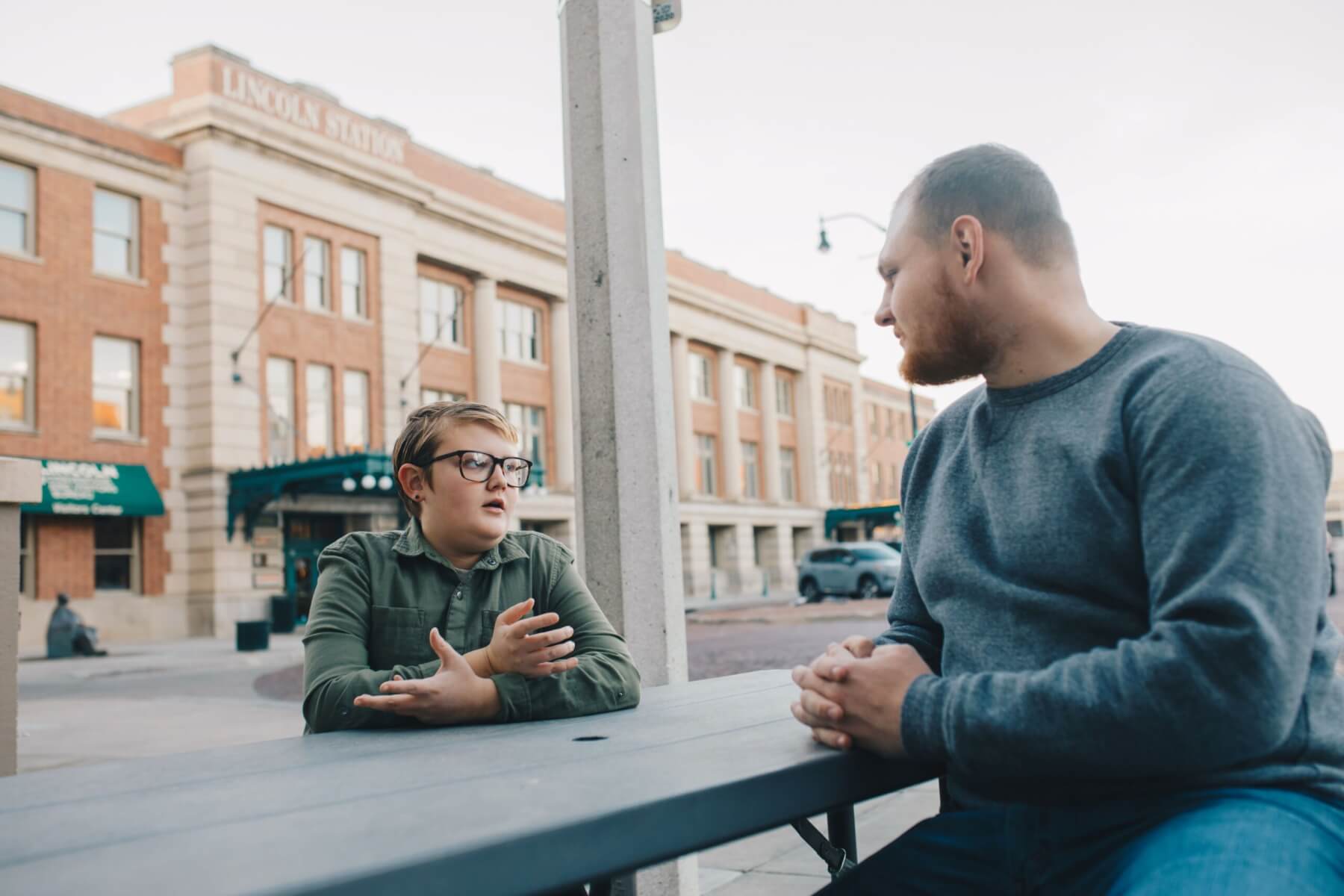

Connections at the Center: Innovative Approaches to Relationship-Centered School Designs
November 5, 2021
MENTOR recently participated in a session at the 2021 Aurora Institute Symposium titled Connections at the Center: Innovative Approaches to Relationship-Centered School Designs. The session was moderated by Tom Vander Ark, CEO of Getting Smart, an organization that advocates for innovations in learning that boost equity and access. The panelists included Phyllis Lockett, CEO of LEAP Education, a Chicago-based nonprofit organization connecting innovation and education to reinvent the one-size-fits-all system and transform the way kids learn; Julia Freeland Fisher, Director of Education at Christensen Institute and author of Who You Know: Unlocking Innovations That Expand Students’ Networks; and Dr. Liz Santiago, Senior Advisor to MENTOR and Founder of The Untold Narratives, a storytelling initiative.
The purpose of the session was to discuss the ways in which schools, which are often challenged with limited time, human resources, and dollars, can still prioritize relationships. The early innovators featured on the panel are taking a more relationship-centered approach to school design. These designs treat relationships with peers, educators, and community members not only as inputs to learning and development, but as valuable, measurable outcomes in their own right! Some of the themes and questions discussed were:
- In order for relationships to have the impact we know they can have, intentional relationship development has to be prioritized in a culture and in a schedule.
- We need to rely on our community partners to build adequate networks of support for our students.
- Sometimes the small interactions are just as important as the deeper engagements. For example, focusing on having meaningful interactions with students, especially with all the adults in and around a school (i.e., the cafeteria worker, crossing guard, bus driver, etc.) can be powerful especially if done consistently. All those interactions lead to building a culture of belonging for our young people.
- As we consider the dialogue and research around social capital development, we need to consider the role our individual evolving life stories play in how we talk about ourselves and connect to others.
- There are amazing programs doing amazing things, but how do we get to systemic change?
- How can we move to relationships not only being inputs to learning and development, but also as valuable, measurable outcomes in their own right?
The panelists discussed the topics and questions described above but see for yourself. Watch below:
Resources to explore
- Turnaround for Children
- Christensen Institute’s 5 Steps for Building and Strengthening Students’ Network
- Christensen Institute’s The Missing Metrics: Emerging Practices for Measuring Students’ Relationships and Networks
- MENTOR’s Education Campaign – Amplifying Student Success by Centering Relationships in Schools