

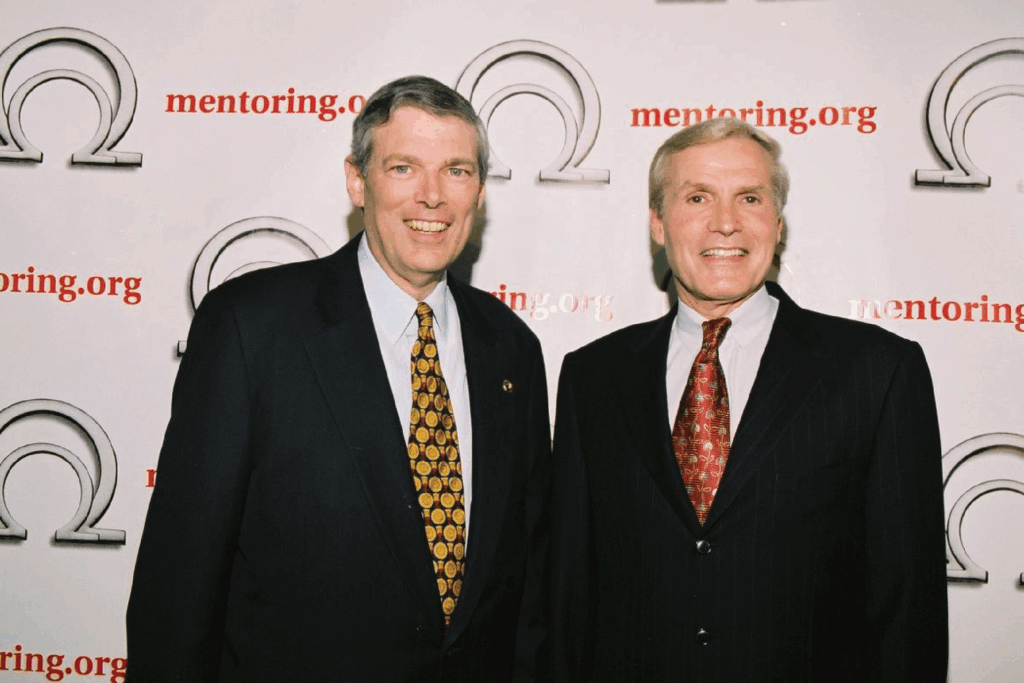
Geoffrey Boisi and Raymond Chambers co-founded MENTOR: The National Mentoring Partnership
Geoffrey Boisi and Raymond Chambers, leading…
For 35 years, MENTOR has worked to ensure every young person has similar access to people who help them thrive. Since 1990, we’ve fueled a tenfold increase in mentoring across the country, helping millions of young people succeed in school, at work, and in life. From classrooms to sports fields, neighborhoods to workplaces, we’ve led, expanded, and strengthened the mentoring movement–because while talent is everywhere, opportunity is not.
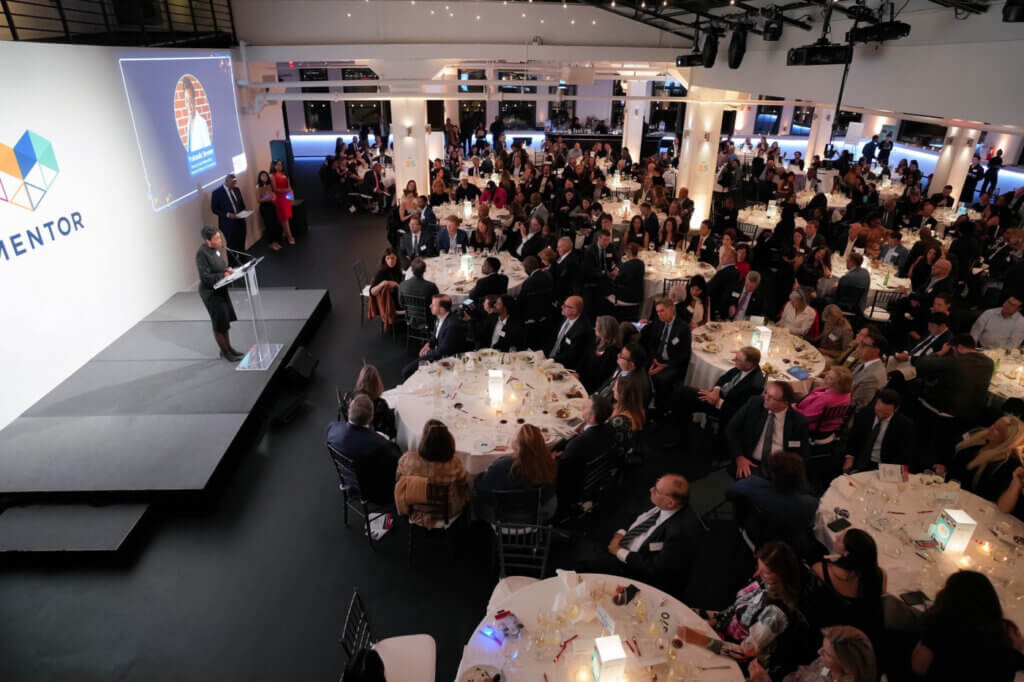
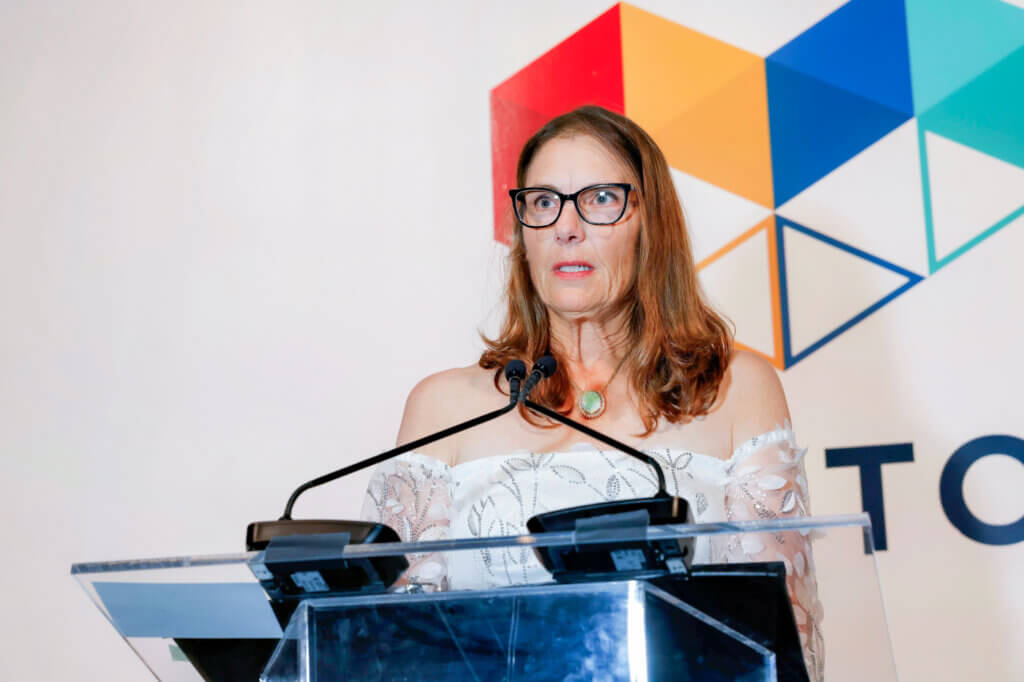
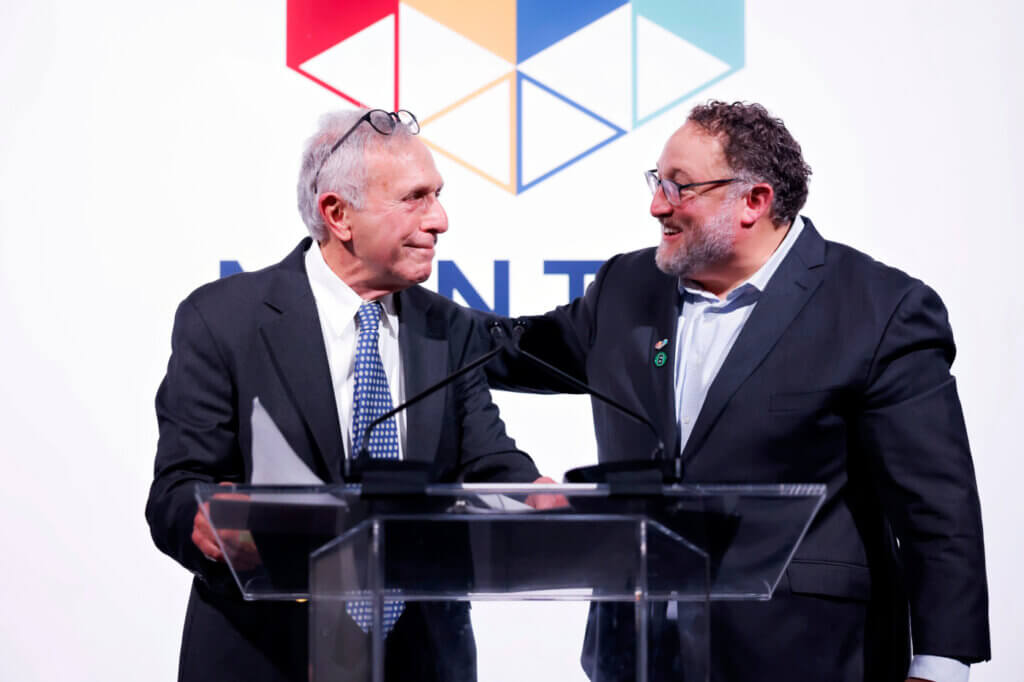
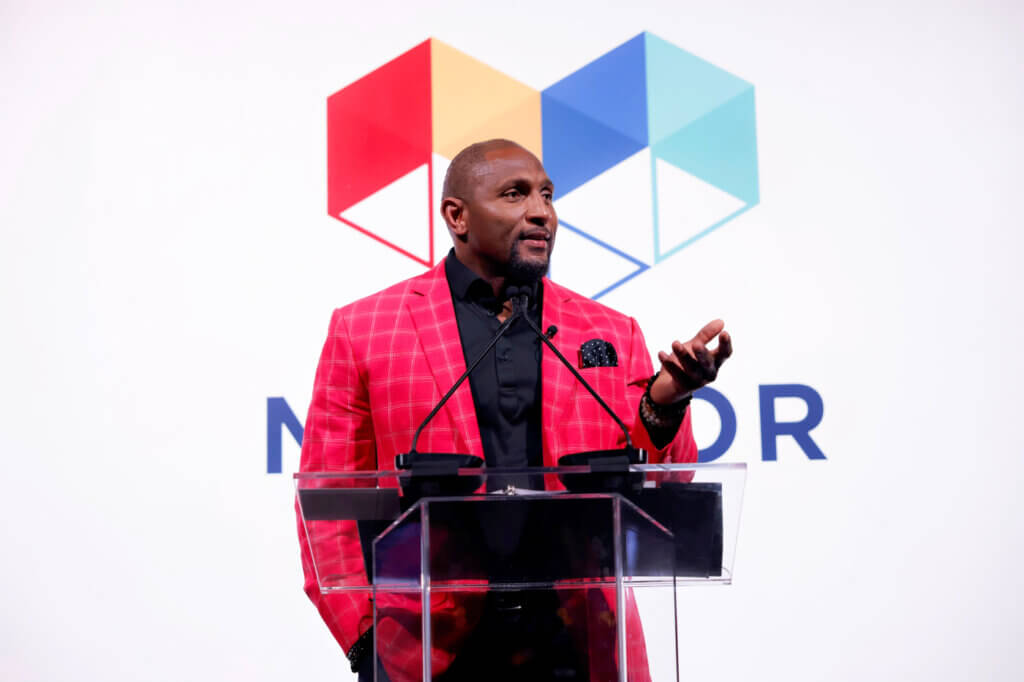
At our 35th Anniversary Gala, hundreds of guests came together to honor this milestone and raised $980,000 to continue expanding access to mentoring nationwide, which is just shy of our $1M goal! There’s still time to donate to support our efforts to grow and strengthen the mentoring movement. Thank you to everyone who joined us, our speakers, honorees, and our amazing sponsors for making the night a success.
MENTOR honored two Legends of Mentoring and one Champion of Mentoring during the commemorative anniversary fundraising gala. The first Legend of Mentoring honoree is basketball legend, Hall of Famer and NBA champion, Bill Russell, a founding board member of MENTOR who passed away in 2022. MENTOR also honored David Shapiro, former MENTOR CEO, as a Legend of Mentoring who today leads the YMCA of Greater Boston as president and CEO. NFL legend and two-time Super Bowl champion, Ray Lewis, was honored as a Champion of Mentoring at the event.
1990
Geoffrey Boisi and Raymond Chambers, leading…
1991
The Elements of Effective Practice for MentoringTM is…
Read More
1994
1996
In fiscal year 1996, Congress appropriated $4,000,000 to implement this program. Read More
1997
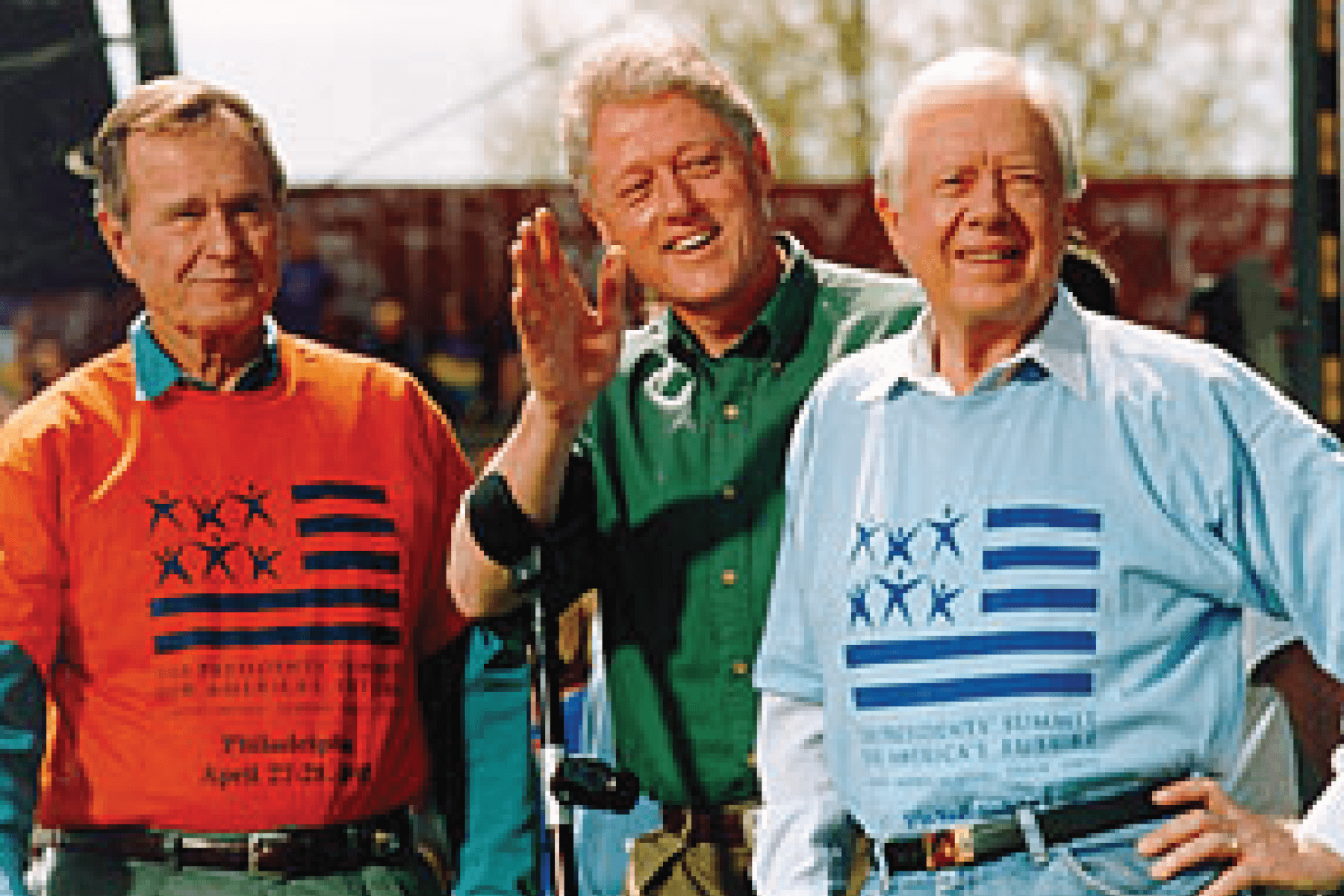
America’s Promise Alliance (APA), began with the Presidents’ Summit for America’s Future…
1997
The Harvard Mentoring Project was created when Raymond Chambers asked Dr. Jay Winsten,…
2001
MENTOR created the Volunteer Referral Service, a free database that helped quality youth mentoring…
Read More
2002

To provide the mentoring movement with a permanent and prominent place in the national culture…
Read More
2004
In his 2003 State of the Union Address, President Bush proposed $150 million…
Read More
2008
2010
President Obama and the First Lady welcomed mentors and young Americans…
Read More
2011
At the 2011 National Mentoring Summit, spearheaded by MENTOR…
Read More
2011
MENTOR hosted the first Champions Golf Challenge-…
Read More
2012
MENTOR, in partnership with the University of Massachusetts Boston…
Read More
2015
MENTOR was selected by The Department of Justice Office of Juvenile Justice and Delinquency Prevention…
Read More
2014 – 2018
The NBA, the National Basketball Players Association, and the National Basketball Retired Players Association…
Read More
2016
MENTOR and its Affiliates were activated as partners alongside Attendance Works and Johns Hopkins University…
Read More
2018
The Child Protection Improvements Act (CPIA) was crafted to address a common background screening…
Read More
2018
Starbucks, LinkedIn, and MENTOR joined forces to launch a nationwide campaign…
Read More
2020

To ensure physical distancing did not mean social disconnection…
Read More
2021

MENTOR received the largest individual gift in its history, placing us among a group of organizations…
Read More
2021 – 2024

In 2021, MENTOR launched a three-year pilot of Relationship-Centered Schools (RCS)…
Read More
2021 – 2022

Through their Inspire Change campaign, the National Football League (NFL)…
Read More
2022
The Biden-Harris administration launched the National Partnership for Student Success (NPSS)…
Read More
2023

MENTOR released Becoming a Better Mentor: Strategies to be There for Young People…
Read More
2023

This study was intended to see whether the mentoring gap of one-in-three young people never having had a mentor…
Read More
2025

The Elements of Effective Practice for MentoringTM (EEPM), first introduced by MENTOR in 1991…
Read More
2025
Zach Boisi
Hyong Kim
Sean Hudson
Ted Madden
Scott Sobel
Dr. Susan G. Weinberger
Jean Rhodes
Kathryn Williamson
Marian L. Heard
Nancy Altobello
Sue Anne Wells
Alan Schwartz
Sandra LaFleur
Suzanne Spero
Denise White
Gerry Dixon
Blake Jordan
Katie Everett
Jeannine Russell
Champion

Leader

The Boisi Family
Sustainer
Supporter
Tom and Andy Mendell
The MCJ Amelior Foundation
Connector
Carole King and Chip Burke
Dennis and Jill Pemberton
Nancy Altobello
R.C. Buford
Ron Shapiro
The Kooyker Family
Sean Hudson
Ted Madden









Geoffrey Boisi and Raymond Chambers, leading businessmen and philanthropists who believed passionately that the intervention of a caring adult is the single most critical element in the life of a child, co-founded MENTOR: The National Mentoring Partnership (MENTOR) to serve as an advocate for the expansion of mentoring and as a resource for mentors and mentoring initiatives nationwide.
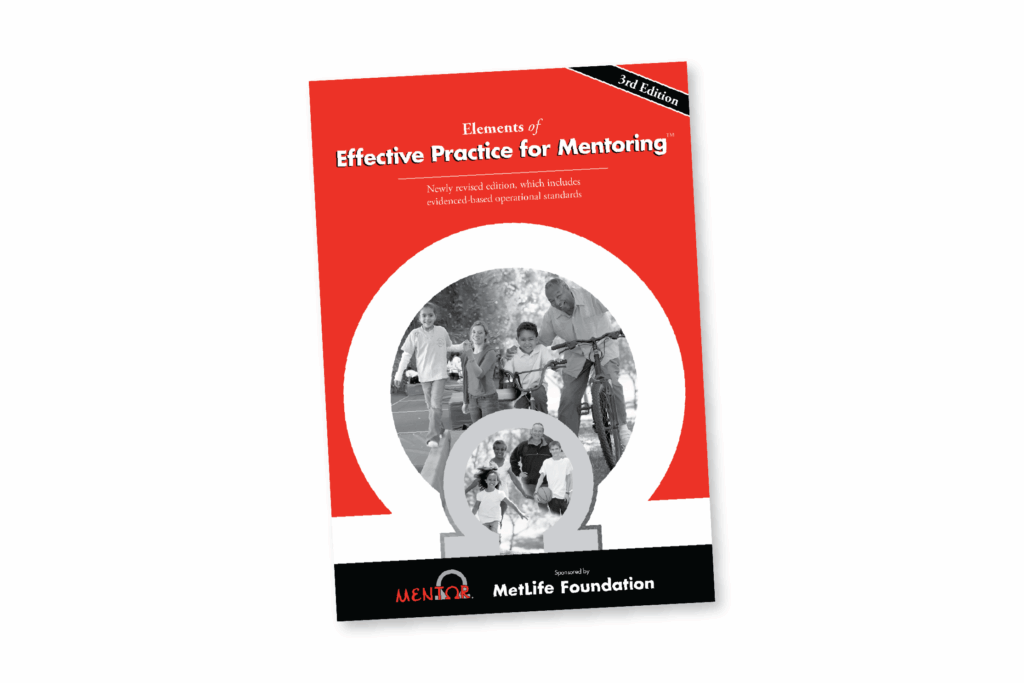
The Elements of Effective Practice for MentoringTM is a series of rigorous guidelines that mentoring programs can follow to help ensure safe, effective high-quality efforts. MENTOR and the United Way of America convened The National Mentoring Working Group, a representative group of both national and community-based not for profit organizations with significant experience in running mentoring programs that met regularly to discuss issues and practices that were emerging in their mentoring programs, focusing especially on how to promote the growth of responsible mentoring programs.
In fiscal year 1996, Congress appropriated $4,000,000 to implement this program. This effort aimed to support one-to-one mentoring programs for youth at risk of educational failure, dropping out of school, or involvement in delinquent activities, including gangs.
America’s Promise Alliance (APA), began with the Presidents’ Summit for America’s Future – a summit spearheaded by Presidents Bill Clinton and George H.W. Bush that aimed to address the challenges facing youth by encouraging community involvement and volunteerism. General Colin Powell served as the summit’s chairman and led the subsequent three-year campaign, focusing on improving the lives of 2 million of the nation’s 15 million underserved youth by the year 2000. This spurred the growth of MENTOR Affiliates and centered mentoring as a primary strategy for APA.
The Harvard Mentoring Project was created when Raymond Chambers asked Dr. Jay Winsten, an associate dean at the Harvard School of Public Health, to develop a comparable social marketing campaign to promote the growth of mentoring. The Project was launched to promote the social role of “mentor” and a cultural norm of “giving-back”. Television networks donated more than $250 million in airtime for public service advertising over a six-year period, and Hollywood writers depicted mentoring relationships in leading prime time television series.
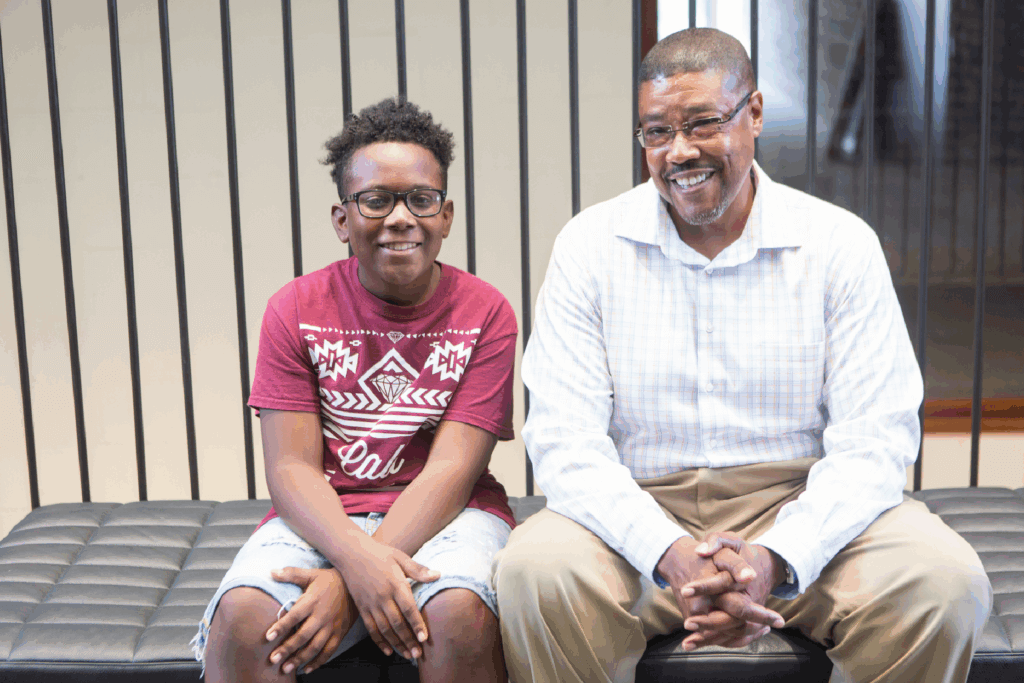
MENTOR created the Volunteer Referral Service, a free database that helped quality youth mentoring programs across the U.S. recruit more local volunteers while increasing visibility for their organizations. Prospective volunteers and MENTOR’s national recruiting partners could search the database for potential matches in their area. This was the original iteration of what is now the Mentoring Connector, the only database of mentoring programs across the nation.
To provide the mentoring movement with a permanent and prominent place in the national culture, MENTOR and the Harvard School of Public Health led the development of the first Annual National Mentoring Month (NMM), with support from the President, Congress, national and local media, leading nonprofit organizations, governors and mayors across the country, and businesses and civic groups. To this day, NMM focuses national attention on the need for mentors, as well as how each of us can work together to increase the number of mentors to assure positive outcomes for our young people.
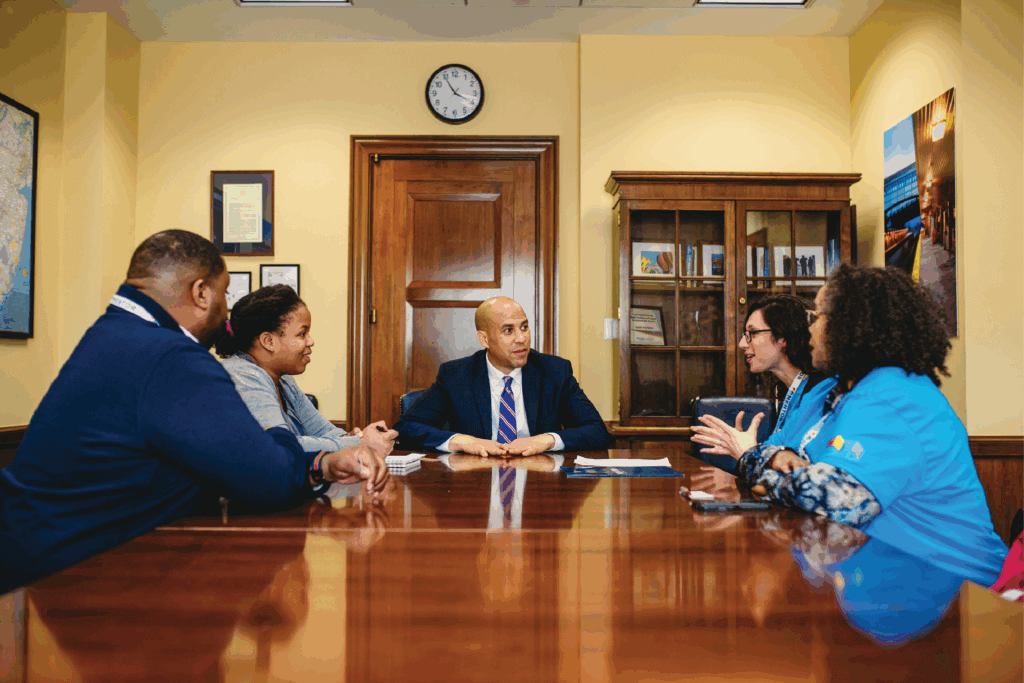
In his 2003 State of the Union Address, President Bush proposed $150 million per year in federal funding for mentoring programs. Thanks to strong support from leading members of Congress, and an effective lobbying effort on Capitol Hill led by MENTOR’s Public Policy Council and other national organizations, Congress increased funding for the 2004 fiscal year, representing a major breakthrough for the mentoring movement.
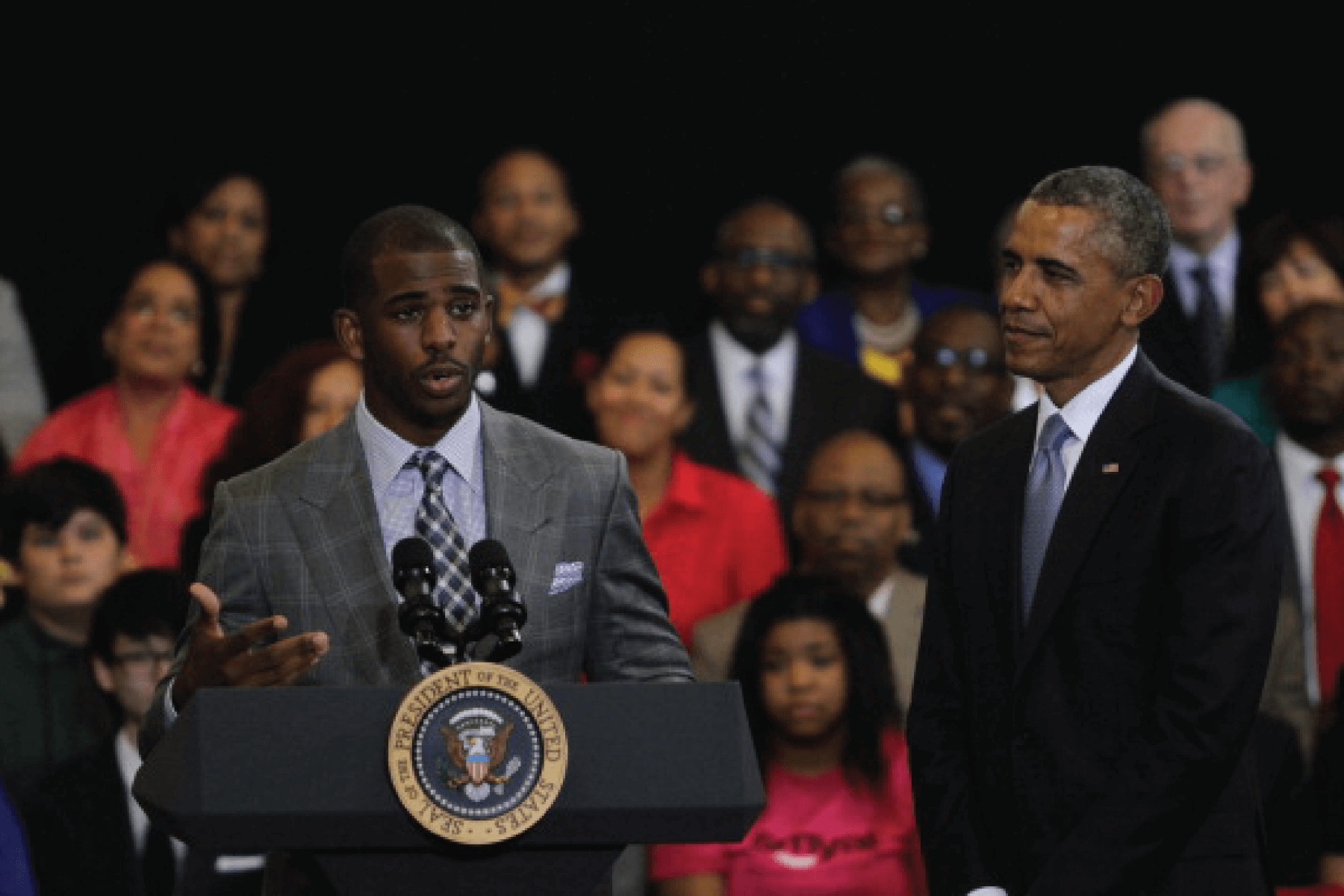
President Obama and the First Lady welcomed mentors and young Americans from around the country to the White House, as organizations and community groups dedicated to supporting our nation’s young people came together to reaffirm the importance of mentorship. MENTOR and the Viacom Corporation were recognized for their partnership across the nonprofit organizations and the business community to support mentoring efforts: partnering to allow Viacom employees flextime to mentor. The President also announced the White House Mentorship Program for 20 young men from local high schools, an addition to the First Lady’s mentoring earlier initiative.
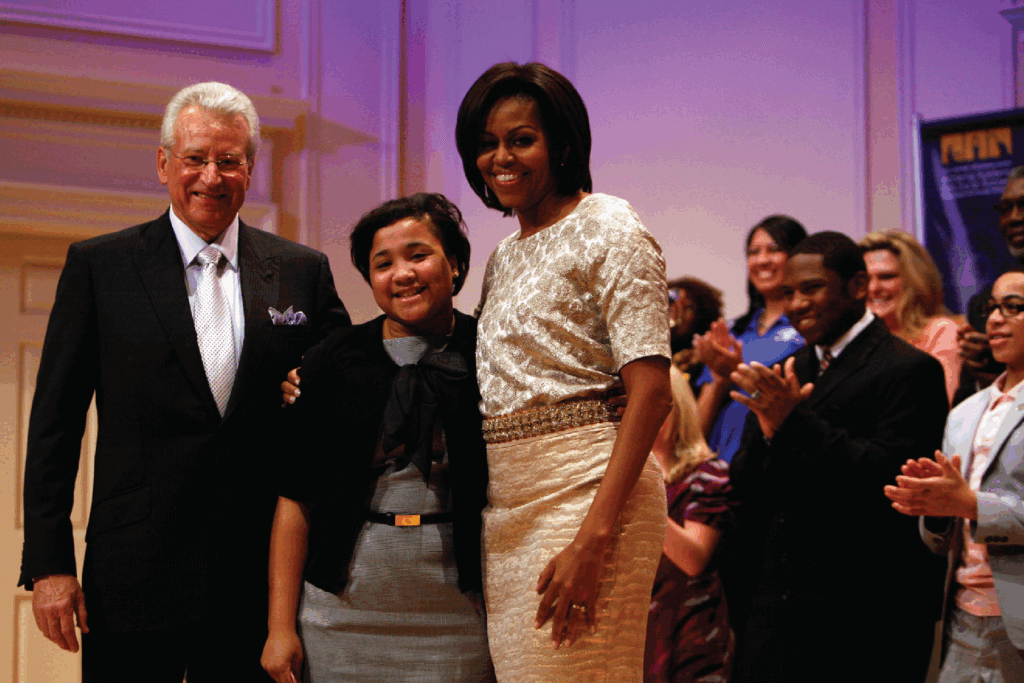
At the 2011 National Mentoring Summit, spearheaded by MENTOR, the First Lady launched the National Corporate Mentoring Honor Roll with a challenge to companies to support mentoring as a key strategy to connecting young people to social and economic opportunities while building a stronger 21st-century workforce.
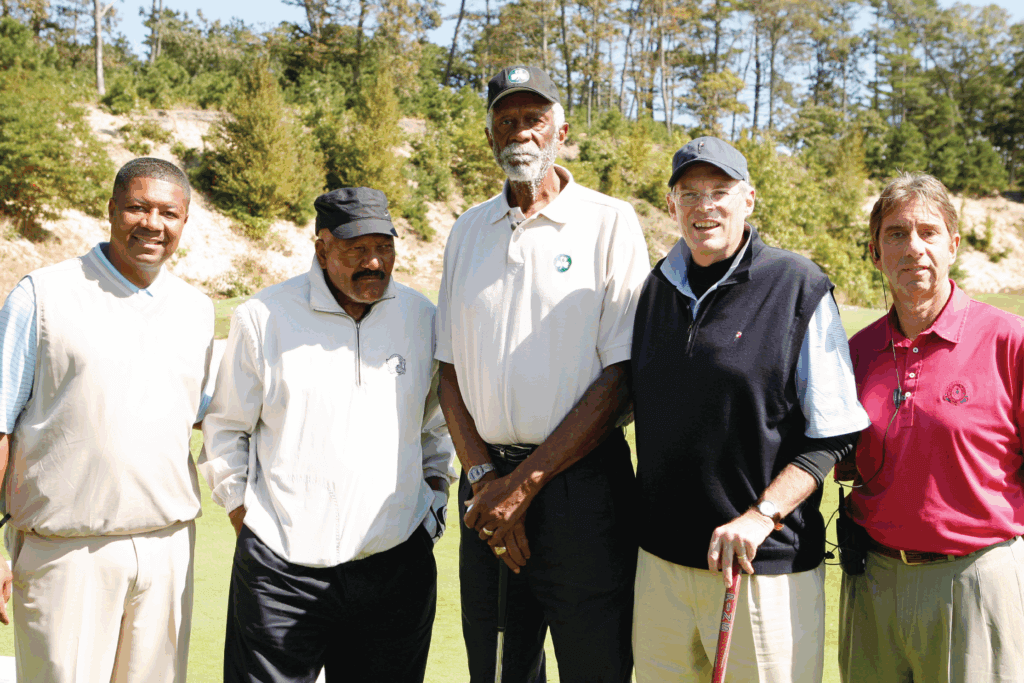
MENTOR hosted the first Champions Golf Challenge- a premier celebrity-amateur golf competition co-hosted by founding board members Geoff Boisi and NBA Hall-of-Fame legend Bill Russell. This annual event drew philanthropists from across the public and private sectors and led to wide civic support of mentoring.
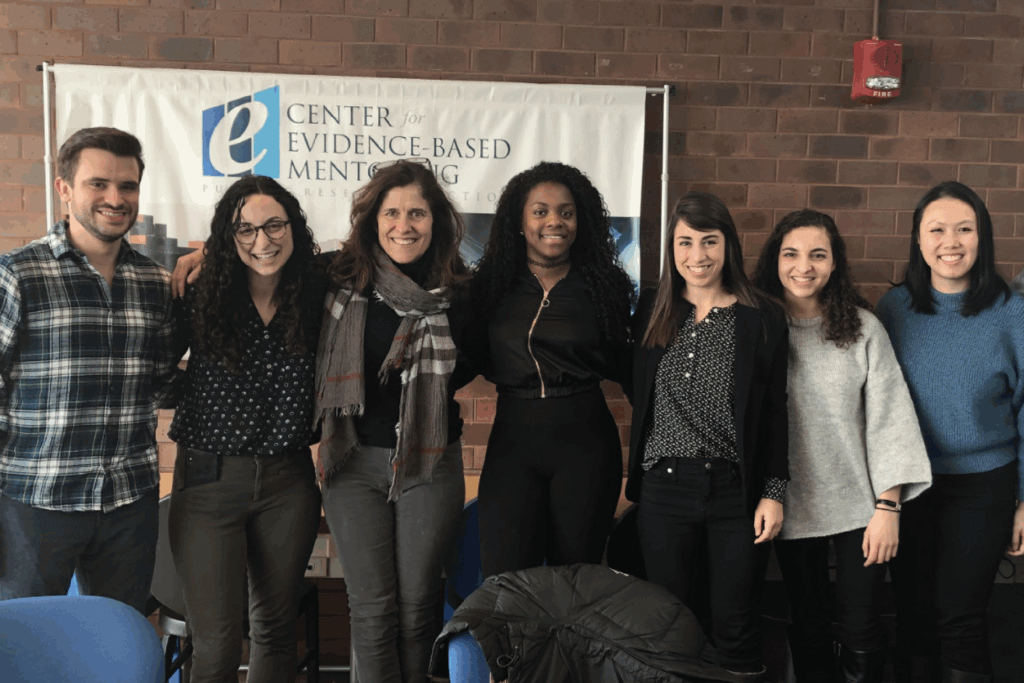
MENTOR, in partnership with the University of Massachusetts Boston, formed the Center for Evidence-Based Mentoring (Center), which was led by Dr. Jean Rhodes, a pioneer in mentoring research. It was MENTOR’s dedication in facilitating an open and efficient exchange of youth mentoring research among researchers, practitioners, and policy makers to ensure the quality and effectiveness of mentoring programs that led to the establishment of this center. MENTOR was a contributing fiscal sponsor of the Center’s work for over a decade, supported seminal research in mentoring, and helped the early career success of many of the leading scholars in mentoring today.
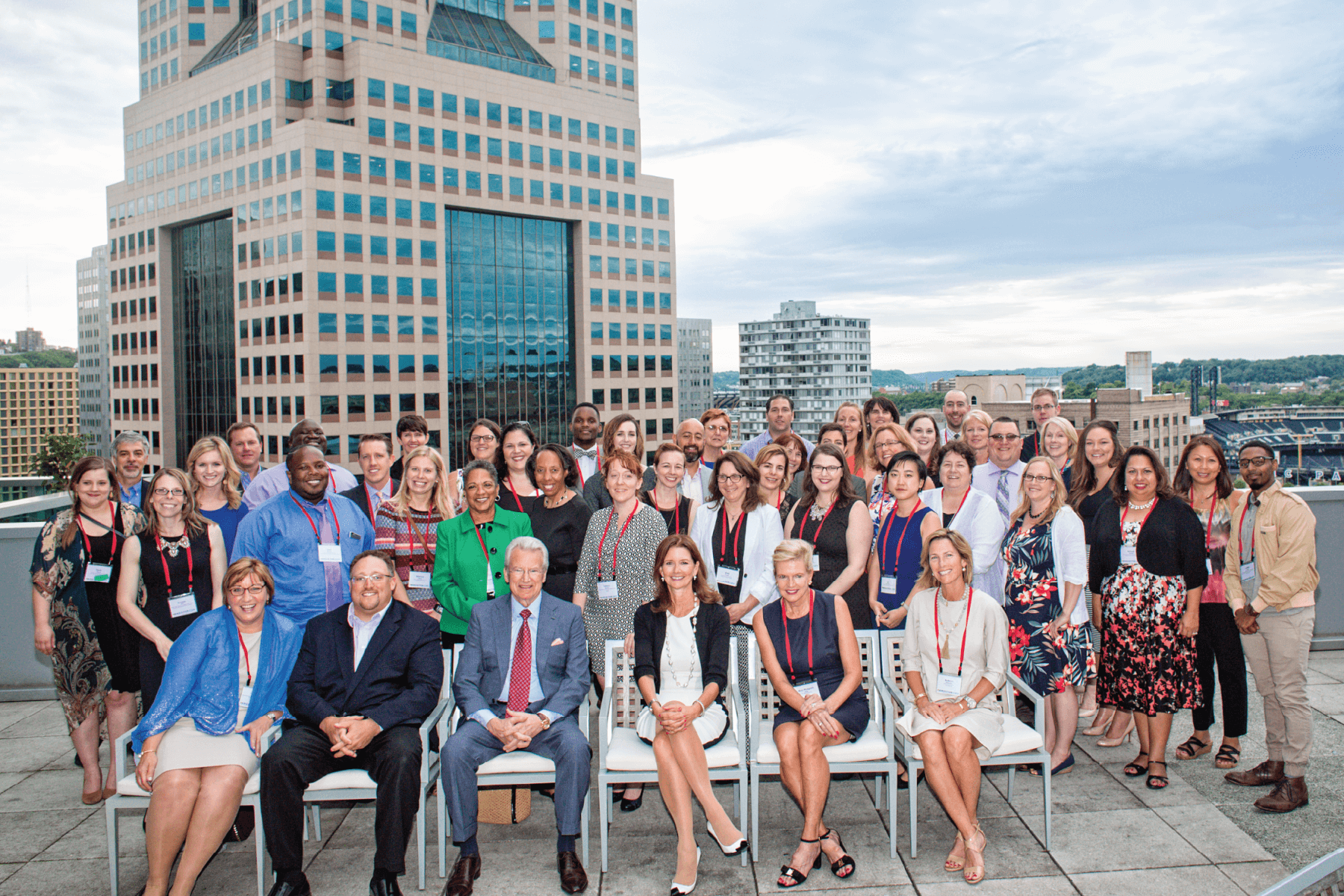
Based on the Elements of Effective Practice for Mentoring, MENTOR and its Affiliates established the National Quality Mentoring System (NQMS) – a structured, systematic process for mentoring programs to identify existing quality practices, areas for improvement and action plans to meet national standards. The system provides a meaningful indicator of quality for youth mentoring programs and lends credibility to individual programs to attract resources and support. Over 350 programs have completed NQMS since its beginning.
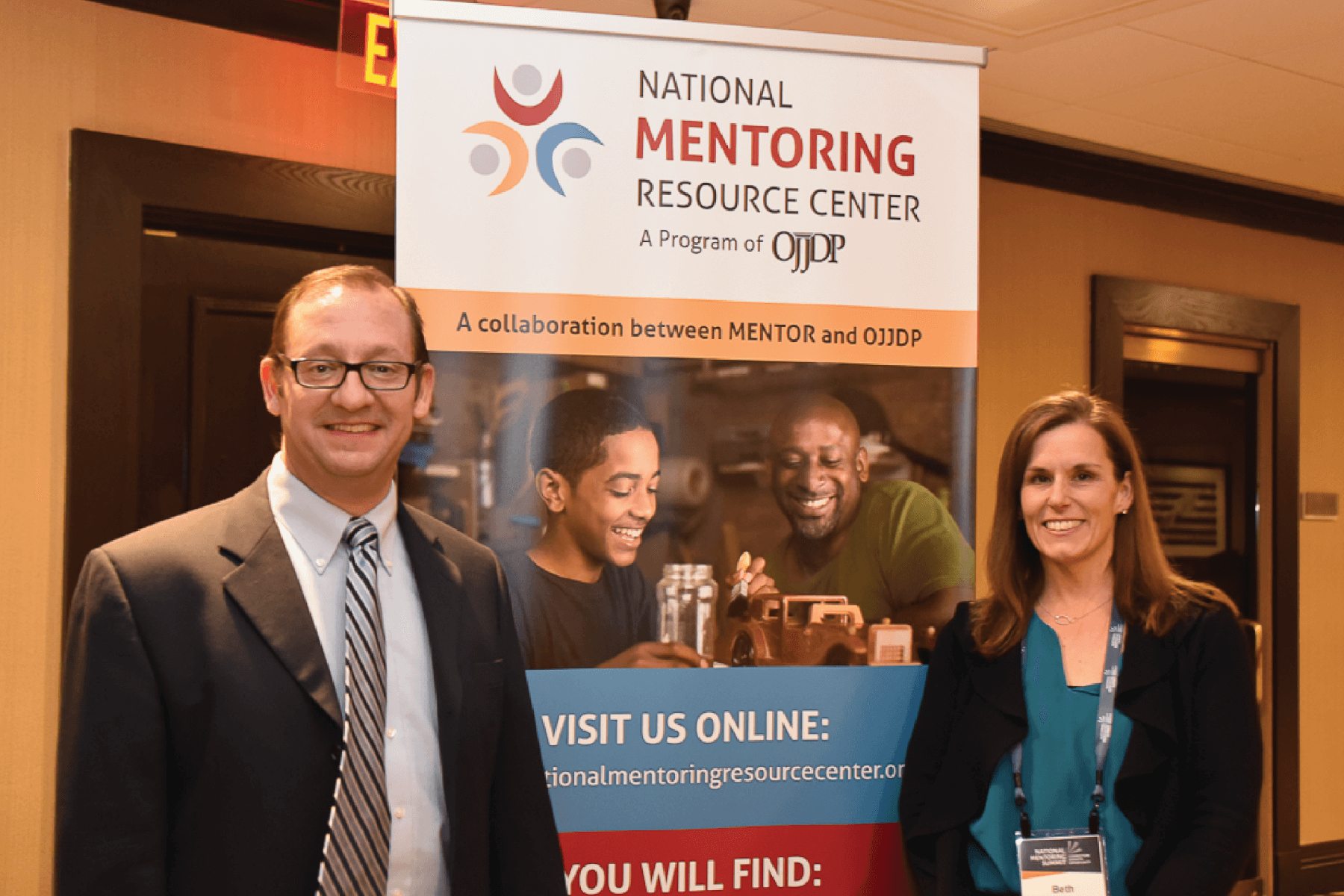
MENTOR was selected by The Department of Justice Office of Juvenile Justice and Delinquency Prevention (OJJDP) in 2013 to establish the National Mentoring Resource Center (NMRC) as an OJJDP resource center focused solely on mentoring. The NMRC launched during January of 2015 to support youth mentoring practitioners with comprehensive and reliable tools, information, program and training materials, and technical assistance. The goal of NMRC is to improve the quality and effectiveness of mentoring across the country through incorporating evidence-based practices more deeply. In partnership with OJJDP, MENTOR has successfully operated the NMRC for the past 12 years.
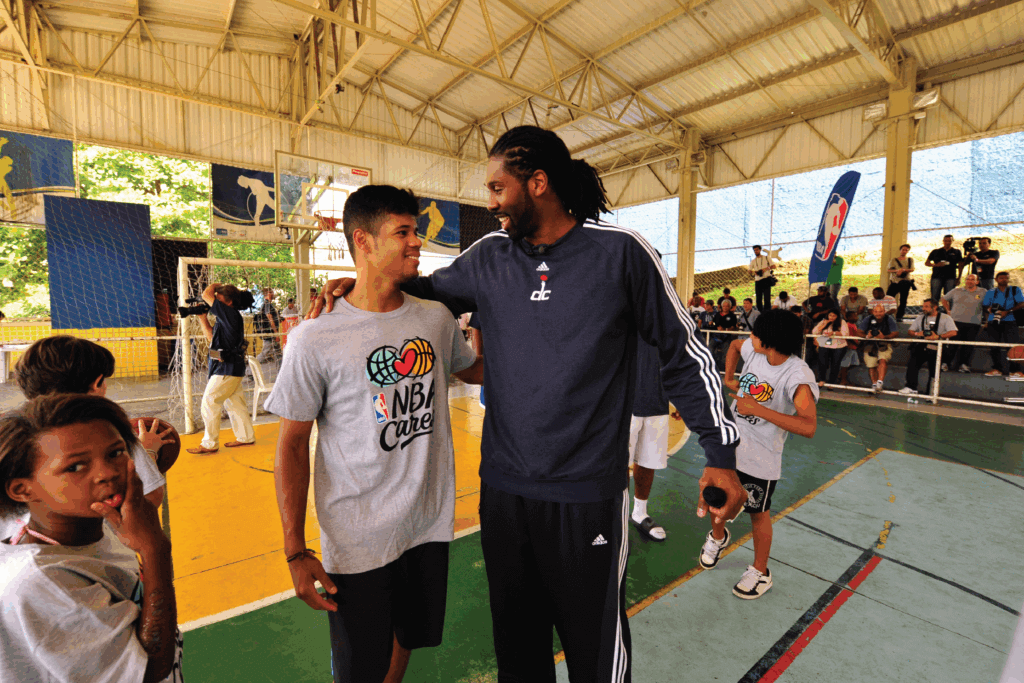
The NBA, the National Basketball Players Association, and the National Basketball Retired Players Association announced a five-year commitment to support President Obama’s call to action around My Brother’s Keeper. As part of this commitment, the NBA partnered with MENTOR to support its campaign designed to spread awareness about the importance of mentoring. The NBA helped recruit 50K new mentors through support on national television during NBA games, mentoring events with NBA teams, players as part of a “Mentoring Flipped” video series, local activations with MENTOR Affiliates, and more!
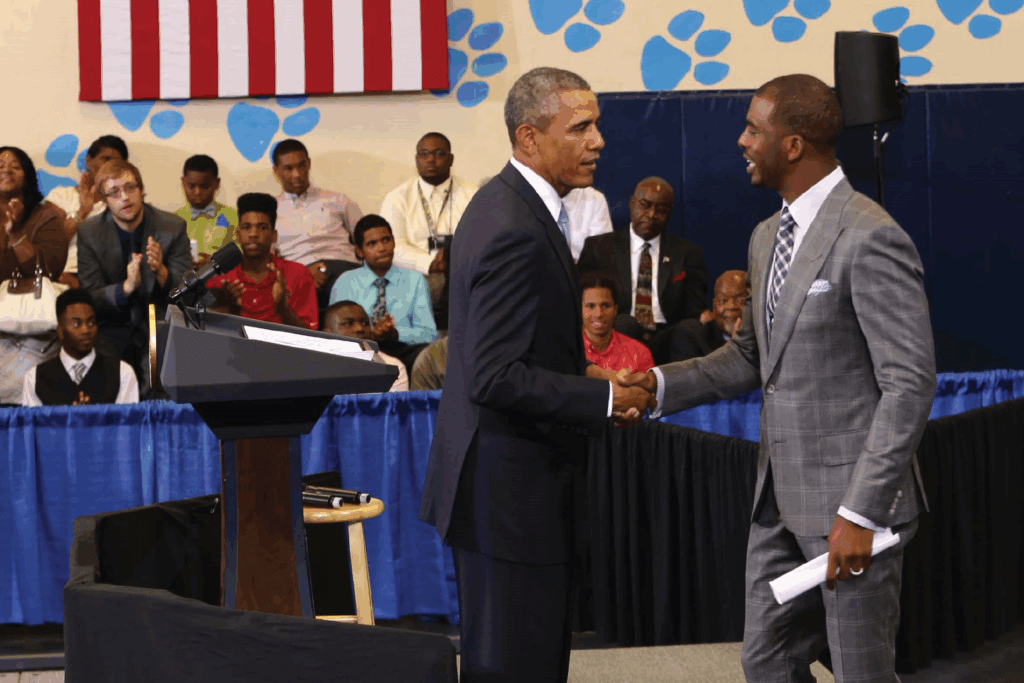
MENTOR and its Affiliates were activated as partners alongside Attendance Works and Johns Hopkins University to support the White House My Brother’s Keeper Initiative, uplifting a strategy called “Success Mentors” which mobilizes caring adults in students’ school environments to intentionally mentor youth at risk for chronic absenteeism. This strategy had been piloted with New York City public schools with the help of MENTOR New York, with incredible results. Through My Brother’s Keeper, 30 school districts across the nation received support from MENTOR to address chronic absenteeism nationwide and its disproportionate impact on Black and Brown youth. Later that year, the National Student Attendance, Engagement, and Success Center (NSAESC) was launched with support from the U.S. Department of Education’s Office of Safe and Healthy Students, with MENTOR as a key partner to continue the nationwide scaling of this work. The mission of the NSAESC is to disseminate evidence-based practices and build and facilitate communities of practice to help students attend every day, be engaged in school, and succeed academically, so that they graduate high school prepared for college, career, and civic life.
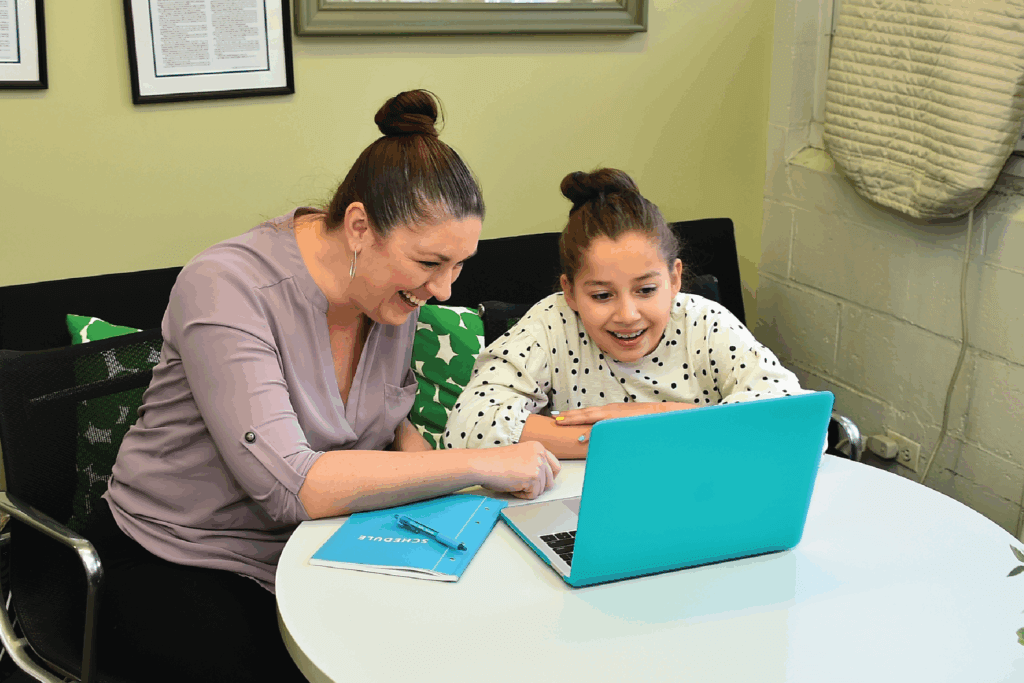
The Child Protection Improvements Act (CPIA) was crafted to address a common background screening challenge facing mentoring programs. To keep kids safe, effective mentoring organizations rely on comprehensive background screening practices for both staff and volunteers working with young people. CPIA ensures broad access to fingerprint-based checks, making this critical screening tool both affordable and efficient, allowing nonprofit youth-serving programs to receive swift results from these screenings. MENTOR played a pivotal role as the leading advocacy organization championing this legislation. By addressing this widespread challenge facing many youth-serving nonprofits, MENTOR not only elevated the issue to national prominence but also collaborated with policymakers to ensure the successful passage of CPIA.
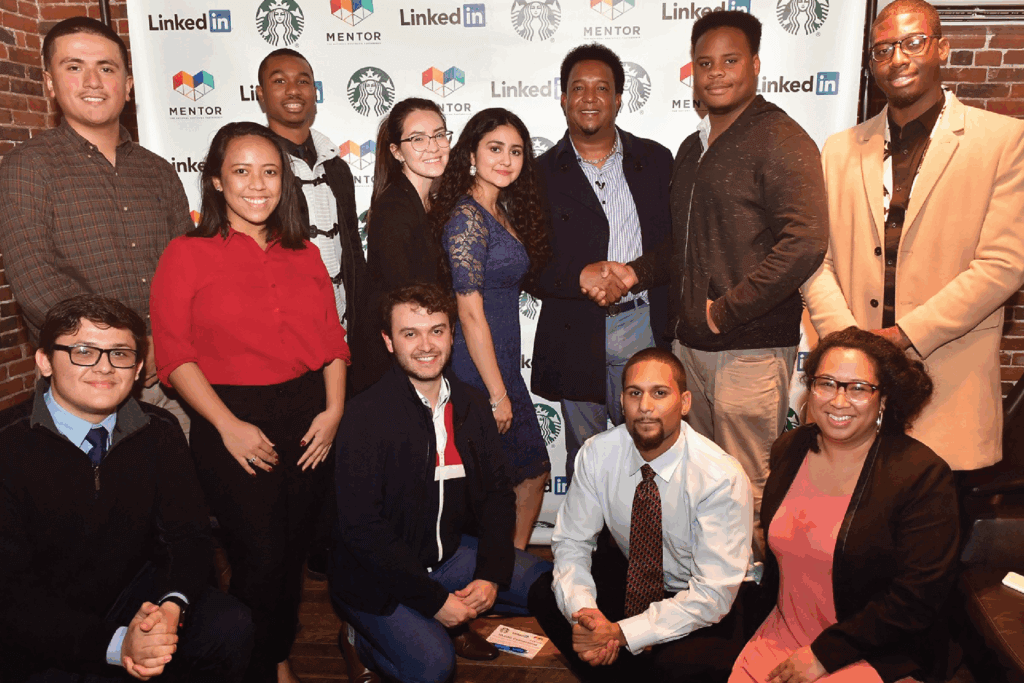
Starbucks, LinkedIn, and MENTOR joined forces to launch a nationwide campaign designed to connect more than 10,000 mentors and mentees, especially young adults seeking mentoring support to jumpstart or grow their careers. To engage local communities, Starbucks, LinkedIn, and MENTOR hosted events across the nation at Starbucks stores and elsewhere for relationship-building, career mentoring, and inspiration in collaboration with partner mentoring organizations.
To ensure physical distancing did not mean social disconnection, MENTOR partnered with iCouldBe and Cricket Together to launch the Virtual Mentoring Portals, a safe and monitored mentoring platform for mentors and mentees to continue their relationships while separated due to COVID-19.
MENTOR received the largest individual gift in its history, placing us among a group of organizations that received a portion of the $2.7 billion that philanthropist MacKenzie Scott gave to “286 Teams Empowering Voices the World Needs to Hear.” The unrestricted donation allowed us to expand and deepen our work to ensure all young people have the supportive relationships they need to thrive.
In 2021, MENTOR launched a three-year pilot of Relationship-Centered Schools (RCS), partnering with K-12 school systems to prioritize building supportive relationships as a fundamental part of school culture and an essential ingredient for students’ learning and development. By the conclusion of the pilot in 2024, in partnership with 12 Affiliates and local school district partners, the RCS pilot impacted 286,000 students in nine school districts across the U.S.
Through their Inspire Change campaign, the National Football League (NFL) provided generous funding for MENTOR and Affiliates’ Racial Justice Capacity Building Grants Programs. The funds helped Affiliates develop and/or refine regional racial equity action plans, increase local education and awareness, and transform systems of structural racial inequity facing young people. MENTOR was also featured in an Inspire Change commercial that aired on national television during NFL games in November of 2022.
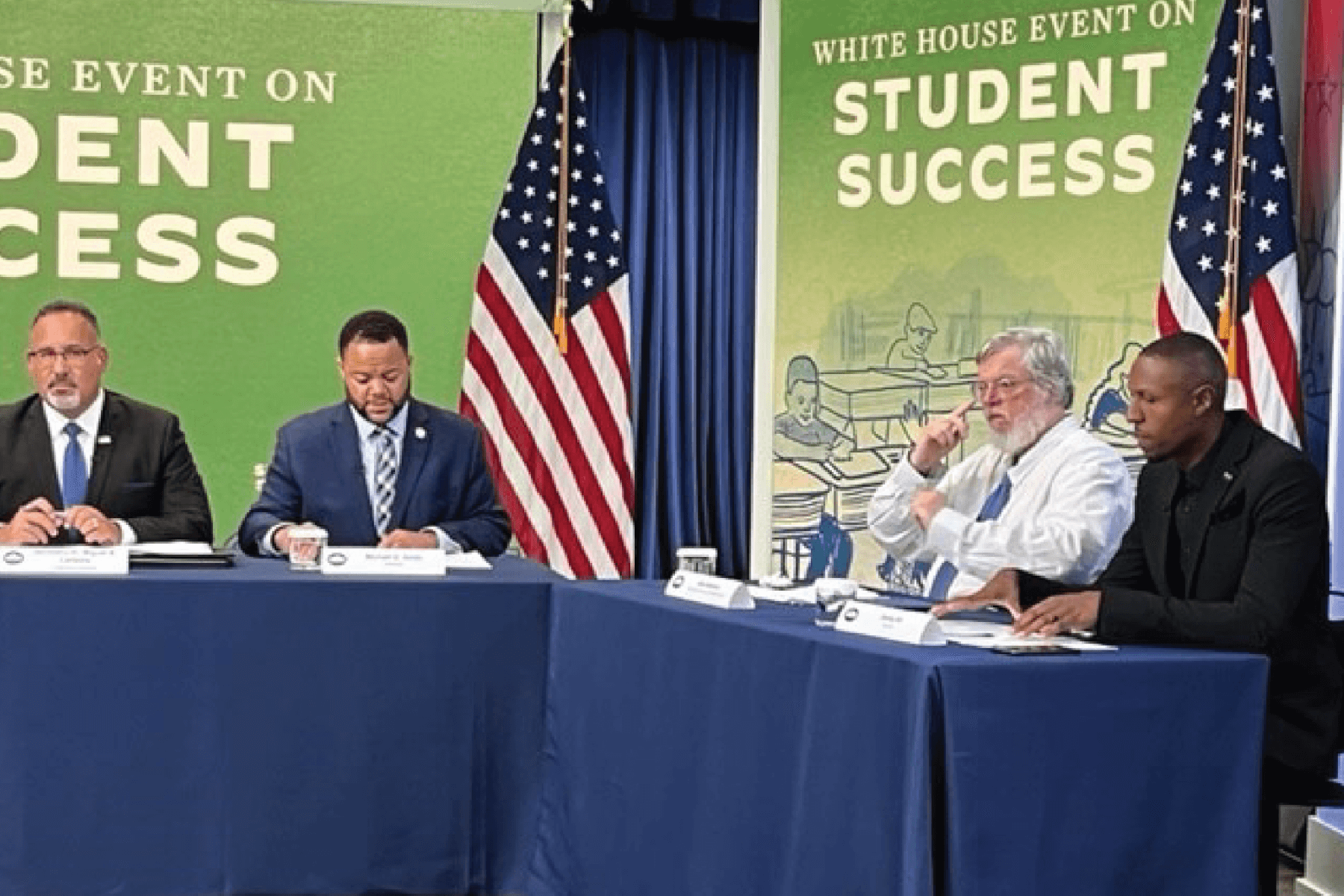
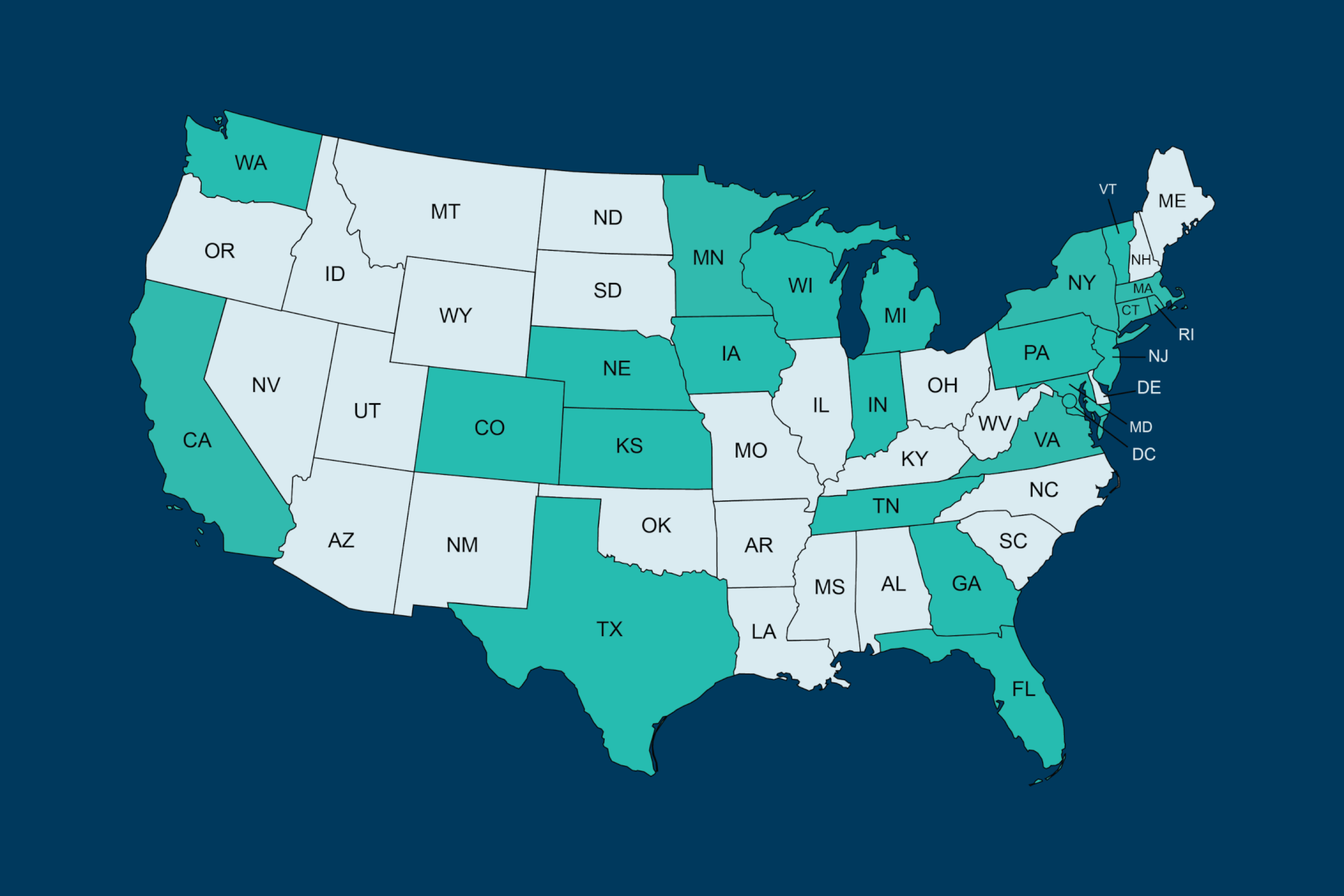
The Biden-Harris administration launched the National Partnership for Student Success (NPSS), a public-private partnership led by AmeriCorps and the Department of Education, supported by non-profit organizations, corporations, philanthropy, state and local agencies, and state service commissions to support our nation’s young people. MENTOR was one of five lead nonprofits chosen to help recruit 250,000 adults to support students in schools. By serving as the expert in the field of youth development and a technical assistance provider, MENTOR supports the work of NPSS by serving as an “activator” for parties who want to participate in mentoring.
MENTOR released Becoming a Better Mentor: Strategies to be There for Young People, a resource written by experts and leading scholars in the field designed to benefit any adult who is looking for actionable ways to support a young person. Full of real-world advice, it provides mentors with tangible strategies to “be there” for young people – from understanding effective online communication, to practicing cultural humility and providing emotional support and empathy. For the first time, this resource was created for people whose mentoring occurs in community settings like schools, community businesses, and other environments where mentoring relationships and connections are formed every day, outside of a program. Since most young people get their mentoring through natural connections, MENTOR decided to highlight this type of mentoring to expand our efforts and bring quality mentoring to more lives.
The Elements of Effective Practice for MentoringTM (EEPM), first introduced by MENTOR in 1991, provides comprehensive, evidence-based guidance for mentoring programs. Over its five editions, the EEPM has evolved, integrating both rigorous research and the insights of experienced practitioners. This latest edition emphasizes program values, ethics, and innovative practices like youth voice and community engagement, ensuring relevance to today’s diverse mentoring landscape.